Where to stay in the Lake District for a luxury suite experience
The central lakes: Windermere and Grasmere
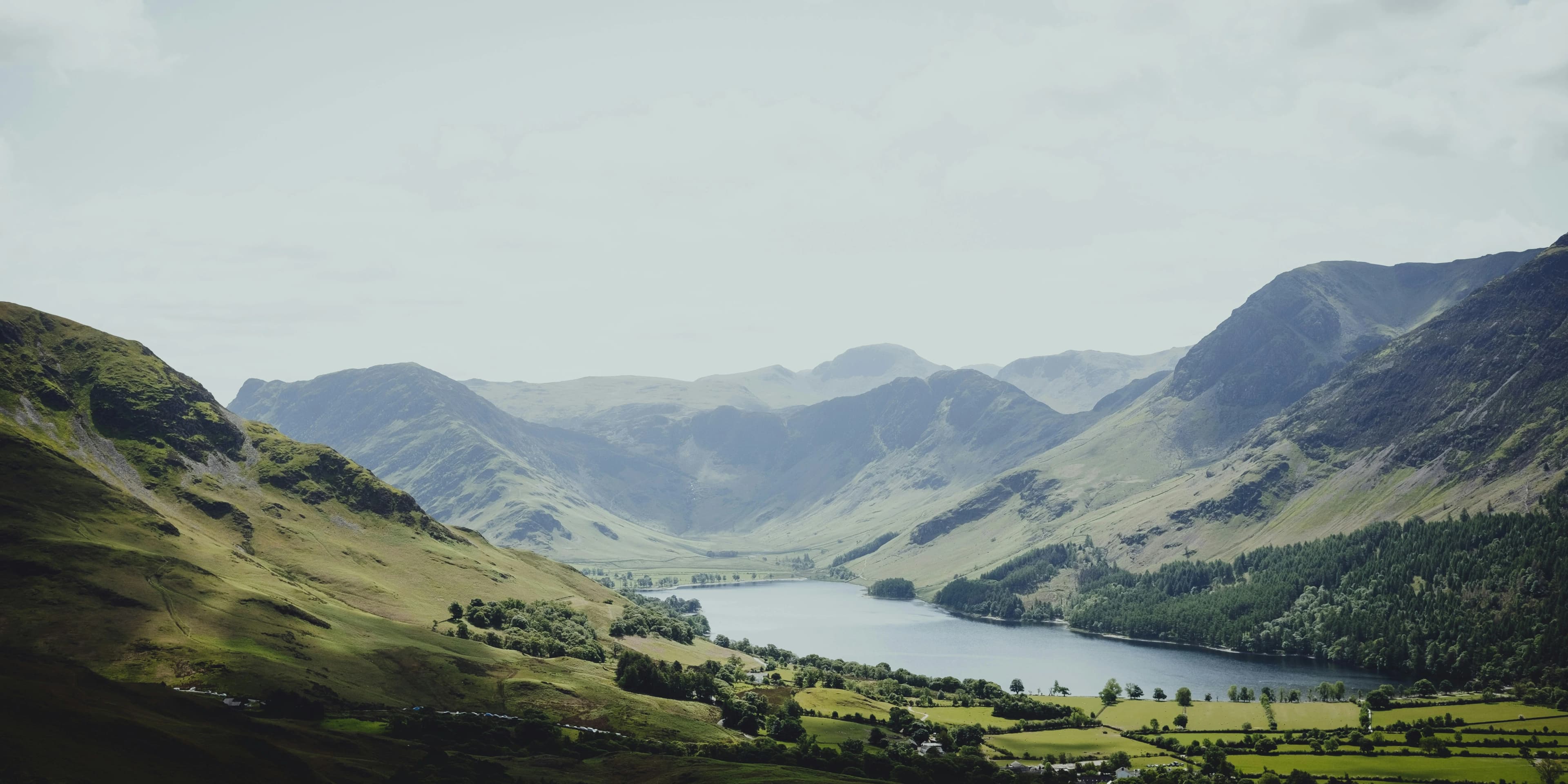
Windermere is England's largest natural lake, and the corridor running north from Bowness toward Ambleside has historically concentrated the highest density of formal country house hotels. The architecture here tends toward Victorian and Edwardian grandeur, with deep gardens that slope to the water. Grasmere, a few miles further north, carries the Wordsworth association directly into the fabric of the village and offers a more contained, quieter register. Suites in this zone typically command lake or fell views, and the best properties have invested in contemporary interiors that sit deliberately against the period stonework.
Ullswater and the eastern fells
Ullswater is consistently regarded by those who know the Lake District well as its most refined stretch of water. The scale is generous, the light changes with unusual speed across the Helvellyn range to the west, and the eastern shore road remains one of the quieter approaches in the park. Hotels in this corridor tend to be smaller and less trafficked than those around Windermere, which suits travelers for whom privacy is the primary criterion.
Coniston and the southwest
The Coniston Water area and the Furness Fells to the south carry a harder, more austere character. The industrial history of copper mining sits in the geology of the place, and the light is frequently lower and more dramatic. This is the Lake District for travelers who want less tourist infrastructure and more direct contact with the landscape.
Borrowdale and the north
The Borrowdale valley, running south from Derwentwater near Keswick, is one of the wettest places in England and consequently one of the most intensely green. The forests here are ancient, the passes severe, and the few hotels that operate at a serious level are positioned for guests who plan to walk or climb rather than arrive and remain sedentary.
When to visit the Lake District for a suite stay
The Lake District receives rainfall in every month of the year, which is a practical fact rather than a deterrent. Understanding the seasonal rhythm allows for far better planning.
Late spring, specifically May and early June, offers the most reliable combination of long daylight hours, wildflower colour on the lower fells, and manageable visitor numbers. This is the window most preferred by experienced travelers to the region. September and October bring a different quality entirely: the bracken turns copper and amber across the hillsides, the light drops to a lower angle that makes the reflections on the lakes operatically precise, and the summer crowds have receded. Autumn weekdays in a well-positioned suite, with a lake directly outside, represent the Lake District at its most controlled and serious.
July and August see maximum visitor pressure. The main roads around Windermere can become genuinely congested, and availability at the best properties contracts early. If traveling in high summer, securing a suite several months in advance is not precautionary: it is necessary.
Winter, from November through February, is quiet and atmospheric. Several of the finest hotels operate full programmes through the season, and rates can be more accessible. The fells under snow or frost carry an entirely different authority.
Understanding luxury standards in the Lake District
England does not operate the formal government-administered prestige classification that France applies through its Palace designation. The primary quality signal in the British hotel market has historically been the AA rosette system for restaurants and, more broadly, AA star ratings, though the most significant properties in the Lake District have largely transcended rating systems as their primary credential.
What defines a serious luxury hotel suite in this region is usually a combination of four factors: the quality and provenance of the interior design, the culinary programme (many of the leading properties hold Michelin recognition at their restaurants), the physical positioning relative to water or fell, and the standard of private space within the suite itself. The Lake District has produced a number of properties with genuinely significant restaurant credentials, and the connection between suite accommodation and serious food is more explicit here than in many comparable rural English destinations.
Expect suites in top-tier Lake District hotels to include either private terraces, freestanding bathtubs positioned toward lake or landscape views, or both. The regional vernacular is stone, slate, and timber, and the best contemporary interiors work with those materials rather than against them. Rooms that feel airlifted from a generic urban luxury hotel are generally a negative indicator in this particular landscape.
How to choose the right luxury suite in the Lake District
The first question is what you are actually coming for. The Lake District is fundamentally a physical landscape, and the best suite stays are those designed around engagement with it rather than insulation from it. A suite on the upper floor of a property with a direct Windermere aspect is a different proposition from a ground-floor suite with private garden access to fell paths. Neither is objectively superior: they serve different travelers and different intentions.
Second, assess the property's food and beverage programme carefully. Given the remote character of much of the park, a serious on-site restaurant is not a luxury add-on but a practical and experiential necessity for guests who do not want to drive on narrow roads after dark. Several of the region's leading hotels operate restaurants that are destinations in their own right.
Third, consider access and transfer. The Lake District has no commercial airport and the nearest significant rail connections are at Oxenholme on the West Coast Main Line or Penrith to the northeast. Journey time from London by train to Oxenholme is approximately 2.5 to 3 hours. Some properties offer or can arrange private transfers; this detail is worth confirming before arrival.
Fourth, if privacy is the primary criterion, the size of the property matters directly. A larger hotel on Windermere will have a different operational register from a twelve-room house hotel on Ullswater. The latter will almost always offer a more contained and quieter experience.
Why a curated selection makes sense in the Lake District
The Lake District has a large number of hotels, and the gap in quality between the exceptional and the merely adequate is significant. The region's popularity means that properties with strong marketing but inconsistent standards are well represented in search results and booking aggregators. Identifying which properties actually deliver at the level their positioning suggests requires either direct experience or access to a curation process that applies consistent criteria.
La Suite selects Lake District hotel suites on the basis of spatial quality, design integrity, landscape positioning, and the coherence of the overall guest experience. The selection is not exhaustive by design. It reflects a considered editorial position on which properties in this territory meet the standard that the destination itself demands. For travelers who are committing significant time and resources to a Lake District stay, that narrowing of the field is not a convenience. It is a substantive part of the planning process.