Where to stay in Westmorland: understanding the landscape and its luxury offer
The southern Lake District
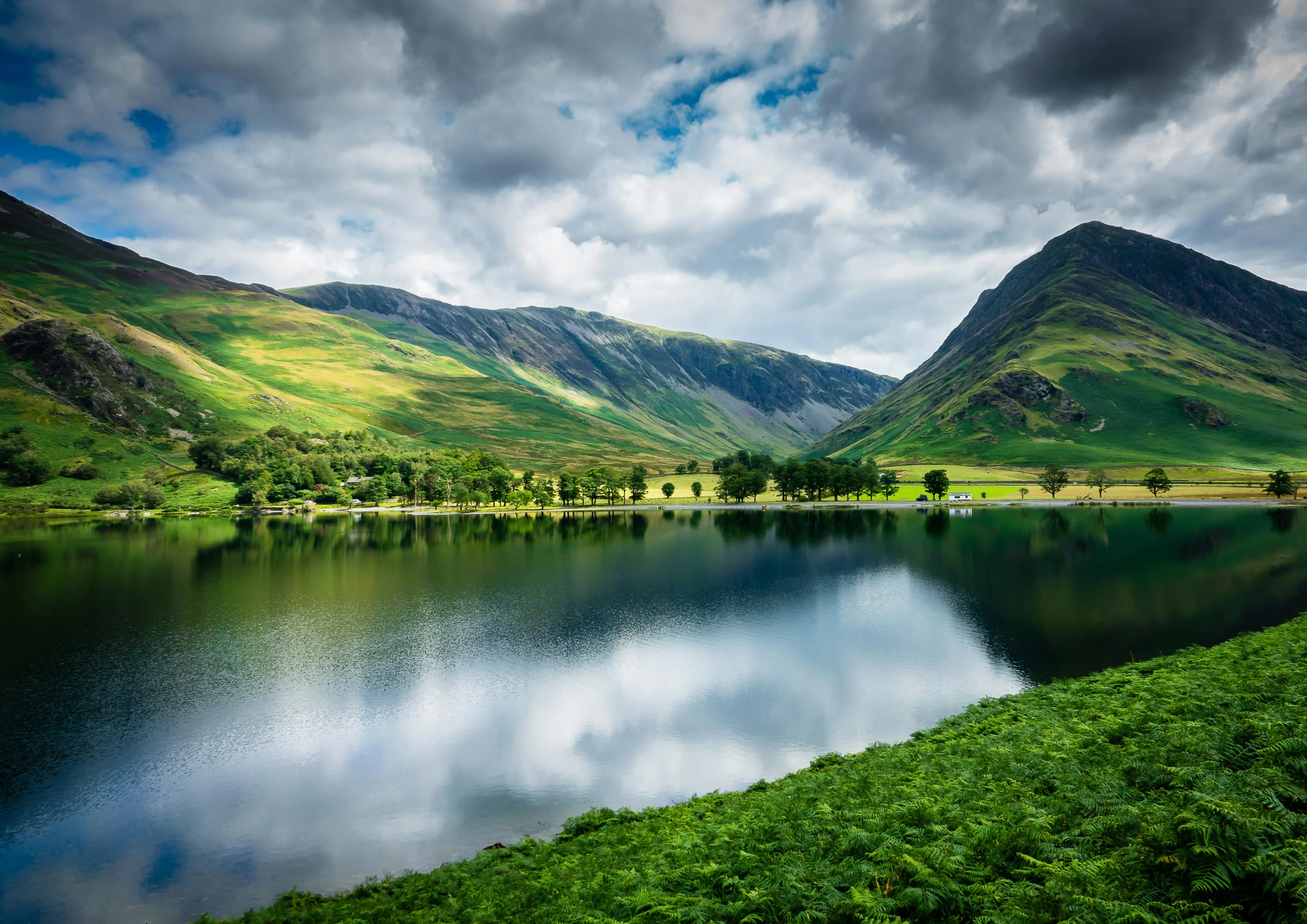
The lakes of Windermere, Esthwaite Water, and Coniston anchor a stretch of Westmorland that has attracted discerning visitors since the eighteenth century. Properties here tend toward the grand country house format: stone-built, with mature grounds and direct access to walking routes. Suite accommodation in this area often prioritises lake-facing orientation, with drawing-room proportions and private terraces that frame the water without interrupting it. This is the heartland of Westmorland's hotel offer, and the concentration of quality is correspondingly high.
The Eden Valley and the east
East of the fells, the Eden Valley opens into a quieter pastoral register. The pace here is slower, the visitor density lower, and the hotel offer more intimate. Converted farmhouses, former rectories, and smaller manor properties define the accommodation landscape. Suite guests seeking genuine seclusion, rather than the curated wilderness of the central lakes, will find this corridor rewarding. The proximity to Appleby-in-Westmorland and the market town of Kirkby Stephen adds a layer of cultural texture that is easy to underestimate.
The Howgill Fells and the south
The Howgills sit on the border between Westmorland and the Yorkshire Dales, an area of rounded, grassy summits and deep river valleys. The hotel offer here is sparser, but the properties that do exist tend to operate with a strong individual identity. For the traveller who values a suite as a private retreat rather than a hotel amenity, this corner of Westmorland has particular appeal.
When to visit Westmorland for a luxury suite stay
The question of timing in Westmorland is partly meteorological and partly strategic. The Lake District receives some of the highest rainfall in England, which is a material consideration when planning around outdoor activity. That said, the landscape in low light and after rain carries a quality that clear skies do not replicate.
Late spring, from May into June, offers the most reliable combination of reasonable weather, good light, and manageable visitor numbers. The fells are accessible, the hotels are not yet at peak occupancy, and suite availability is generally good. The shoulder of September into October brings autumn colour to the deciduous woodlands around Windermere and Coniston, and the quality of afternoon light across the water during this period is architecturally precise.
Summer, particularly July and August, sees the heaviest concentration of visitors across the Lake District. Suite guests planning a visit during this window should expect reduced availability and should approach booking with appropriate lead time. The advantage of this period is access to outdoor markets, festivals, and the full programme of walking and cycling routes.
Winter in Westmorland has a legitimate appeal for the suite traveller who prefers empty landscapes and quiet hotels. Several properties operate reduced programmes during December and January, but those that remain open often provide a quality of calm that the busier seasons cannot match.
Understanding luxury standards in Westmorland
England does not operate a formal palace hotel classification of the kind found in France. Quality signals here are more distributed and require some literacy to read. The relevant markers for suite-level accommodation in Westmorland include membership of small hotel collectives such as Relais and Chateaux, recognition from the AA (which awards rosettes for dining and stars for accommodation), and inclusion in independent guides that apply genuine editorial criteria.
The suite product in Westmorland's top properties typically combines period architectural fabric with contemporary interior specification. Exposed stone, original fireplaces, and double-height windows are common structural features. The better suites are calibrated to the specific landscape outside: materials, palette, and proportion are chosen to extend the experience of the fells and lakes rather than to compete with them. Bathrooms in this tier tend toward deep freestanding tubs, locally sourced stone, and the kind of spatial generosity that is often absent from urban hotel equivalents.
Service in Westmorland's finest hotels operates on a personal, non-formulaic model. The ratio of staff to guests is usually high, and the knowledge of local landscape, walking routes, and seasonal experiences is treated as a core competency rather than a front-of-house addendum.
How to choose the right suite in Westmorland
The primary axis of choice in Westmorland is orientation: lake-facing versus fell-facing. Both have distinct qualities. A suite oriented toward water carries a particular stillness, especially at dawn and dusk. A suite that opens onto open fell has a rawer, more vertical quality. Neither is superior. The decision depends on whether the guest is drawn to reflection or to exposure.
The second consideration is architectural character. Westmorland's high-end hotel stock divides broadly between the Victorian and Edwardian country house tradition and a smaller number of contemporary conversions. The former brings scale, formal gardens, and a certain weight of history. The latter tends toward structural restraint, material honesty, and a closer integration with the landscape outside. Both categories are represented in the curated selection maintained by La Suite.
Practical details worth specifying in advance include parking (essential in Westmorland, where transfers and taxis are not always available), access to private dining, and whether the property can arrange guided walking or outdoor activities as part of the suite package. Several properties at this level operate their own estates, which means that access to land, water, and guided experience can be arranged without leaving the property's immediate orbit.
Why curation matters in Westmorland
The Westmorland hotel market, while smaller in volume than London or the Cotswolds, contains genuine variation in quality. The reputation of the Lake District as a destination draws properties of widely differing standards, and the visual appeal of any lakeside or fell-side setting can obscure gaps in suite specification, service, or culinary offer.
La Suite applies a consistent editorial framework to every property it lists. The focus is on the suite product specifically: not the hotel's general rating, but the quality of space, light, materials, and experience available from within the suite itself. In a territory like Westmorland, where the landscape does much of the aesthetic work, it is easy for a property to rely on its setting and underinvest in the interior experience. The curated selection by La Suite is structured to identify the properties where the two are held in genuine balance.