Where to stay in Wiltshire: distinct areas and their character
Salisbury Plain and the Vale of Pewsey
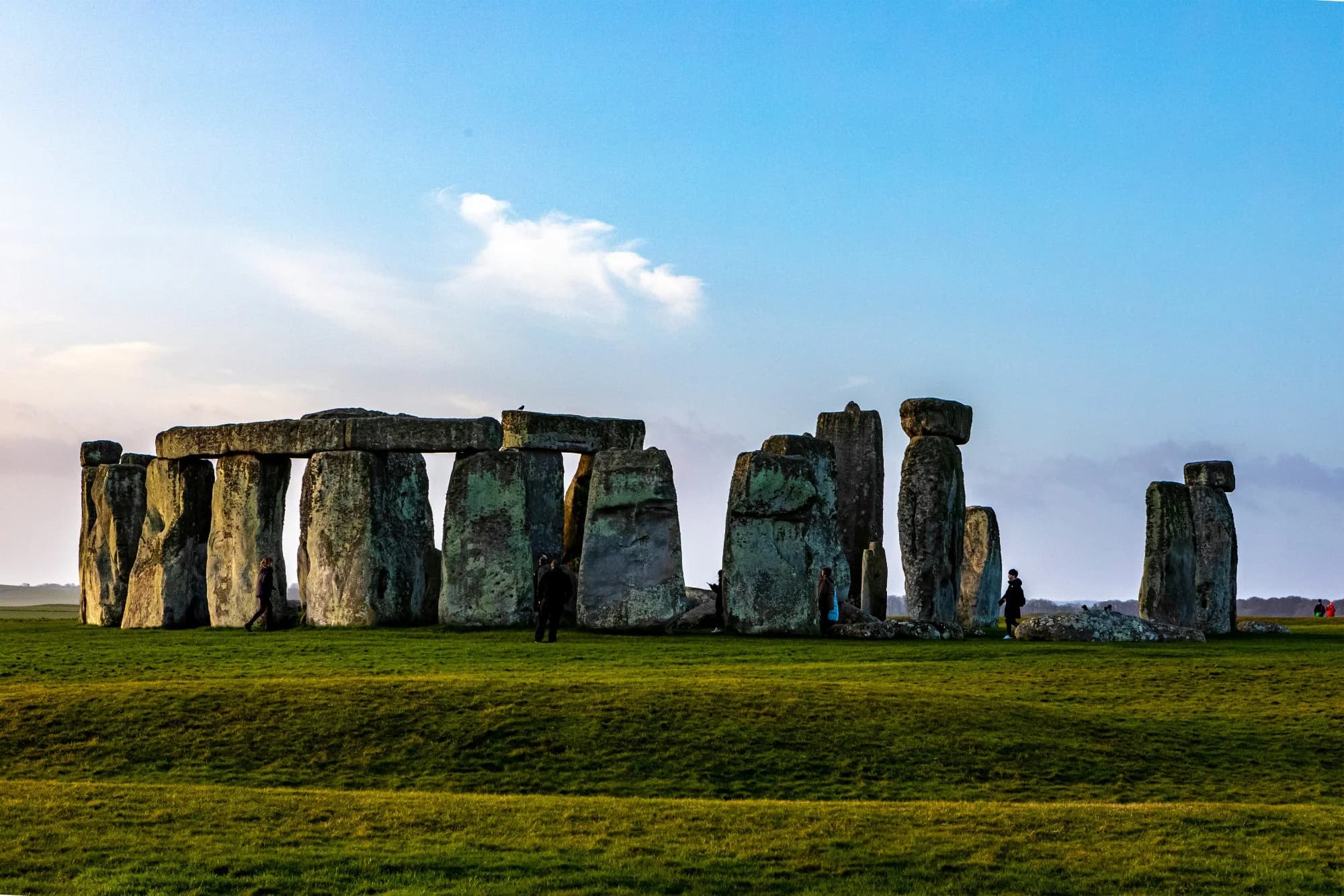
The centre and south of the county is dominated by Salisbury Plain, one of the largest expanses of chalk downland in northern Europe. The city of Salisbury, with its cathedral and medieval close, anchors the south. The Vale of Pewsey, a broad agricultural valley running east to west, separates the Plain from the Marlborough Downs and contains several of the county's most architecturally significant country house properties. This corridor rewards travellers who prioritise seclusion, riding country, and proximity to Stonehenge and Avebury without the logistical weight of a major city base.
Marlborough and the north-east
The Marlborough Downs form the north-eastern edge of the county, with the market town of Marlborough acting as a low-key but historically significant hub. The Savernake Forest, a privately owned ancient woodland adjacent to Marlborough, is one of the few remaining medieval forests in England and gives the area a quality of enclosure and density unusual in chalk country. Properties in this zone tend to occupy converted Georgian or Victorian buildings and attract travellers interested in equestrian pursuits, Cotswold access, and literary associations with the area.
The Wylye Valley and the south-west
The Wylye Valley runs from Warminster towards Salisbury, cutting through a sequence of small villages with significant chalk-stream ecology. This is classic English fly-fishing country, with private beats on the River Wylye and the River Nadder accessible through certain estate properties. The architectural fabric here is predominantly flint and stone, and the best properties in this zone are those that have maintained the character of their agricultural origins while delivering the spatial standards expected of a luxury hotel suite in the contemporary sense.
When to visit Wiltshire for a luxury suite stay
Wiltshire does not operate on a high-season logic in the conventional resort sense. The county is accessible year-round, and its appeal shifts register with the seasons rather than diminishing outside a narrow window.
Late spring (April to June) is the preferred period for most discerning visitors. The chalk downland is at its most legible, walking and riding conditions are optimal, and the light over Salisbury Plain in early morning has a particular quality that photographers and painters have documented since Constable. Wildflower meadows in the river valleys reach peak condition in May and June, and hotel availability, while not unlimited, remains manageable compared to July and August.
Summer brings the solstice gatherings at Stonehenge and Avebury, which have grown significantly in scale and attract a demographically broad audience. Travellers seeking privacy and quiet should note that the immediate vicinity of these sites becomes congested in late June. Suite properties further into the valley systems or on working estates are insulated from this pattern.
Autumn is underrated. October and November offer low-light landscape conditions, excellent driven shooting on the downland estates (for those with the relevant invitations), and a reduction in casual tourism. Country house properties with open fires and kitchen gardens delivering autumnal produce are at their most coherent in this period.
Winter visits work best for travellers whose primary purpose is Salisbury Cathedral, spa access, or a working retreat in a rural setting. The Plain in winter has an austerity that is genuinely affecting rather than merely atmospheric.
Local luxury standards: what defines a top-tier suite in Wiltshire
England does not operate a formal national grading system equivalent to the French Palace designation, but the practical hierarchy is well understood within the industry. At the top level, membership in the Relais and Chateaux network, a five-star AA rating, or inclusion in the Small Luxury Hotels of the World portfolio signals a baseline of service and physical standard. Wiltshire has a small number of properties that operate at this level, typically within converted country houses or working estate complexes.
The defining characteristics of a premium suite in a Wiltshire context are spatial. English country house conversions tend to favour named suites occupying former principal bedrooms or dressing rooms, with ceiling heights, original cornicing, and period fireplaces that newer build properties cannot replicate. Bathrooms in the best properties have been expanded into adjacent rooms rather than retrofitted into existing footprints, which is a meaningful spatial distinction. Private terraces or direct garden access are available in a minority of properties and command significant premiums.
Service standards in the best Wiltshire properties are discreet and residential rather than formally choreographed. This is not a county where theatrical hospitality is the norm. What the best suites deliver is attentiveness without visibility, a model suited to guests who have experienced the full range of international luxury hotel culture and are deliberately choosing restraint.
How to choose the best suite in Wiltshire: practical considerations
The primary decision axis in Wiltshire is architectural: Georgian symmetry versus Victorian scale versus more recent estate conversion. Each carries different acoustic, thermal, and spatial implications. Georgian properties tend to offer better proportioned rooms but smaller bathrooms. Victorian conversions frequently have higher ceilings and more theatrical staircases but can be uneven in their room hierarchy. Understanding which building period a property occupies is a more reliable guide to what the suite will actually feel like than marketing language.
Transport is a practical consideration. Wiltshire has no major airport. The closest international gateways are Heathrow (approximately 80 miles from the centre of the county) and Bristol (approximately 40 miles from the western edge). Driving is the primary means of moving around the county, and properties with private parking, including gated or garaged options for high-value vehicles, are worth prioritising for this reason.
For travellers combining a Wiltshire stay with visits to Bath (just over the Somerset border) or the Cotswolds (accessible via the northern edge of the county), positioning in the Marlborough or Bradford-on-Avon area is more efficient than a southerly Salisbury-based property. These are not interchangeable bases, and the choice should be made in relation to a clear itinerary logic rather than a single landmark.
Connectivity is variable. Chalk downland and deep river valleys do not favour reliable mobile or broadband coverage. Properties that have invested in dedicated connectivity infrastructure for working guests will specify this, and it is worth confirming before arrival for anyone whose stay combines work with travel.
Why curation matters when selecting a suite in Wiltshire
The number of properties in Wiltshire that genuinely operate at luxury suite level is small. The county does not have the density of five-star inventory found in London, Edinburgh, or the Cotswolds. This creates a different kind of selection problem: not too many choices, but too few clearly legible ones. Marketing across the country house sector in England tends toward a consistent visual register of oak panelling and Farrow and Ball colour palettes that makes genuine differentiation difficult from a standard booking interface.
La Suite approaches Wiltshire not as a volume market but as a specialist one. The curated selection by La Suite focuses on properties where the suite itself, rather than the surrounding amenity package, is the primary justification for the visit. That means rooms with genuine architectural character, beds positioned in relation to windows and light rather than operational convenience, and a spatial logic that makes the act of being in the room worthwhile independent of what lies outside it. For a county where the landscape is the primary draw, the suite is where that landscape is most fully absorbed.