Where to stay in Worcestershire for a luxury suite experience
The Malvern Hills corridor
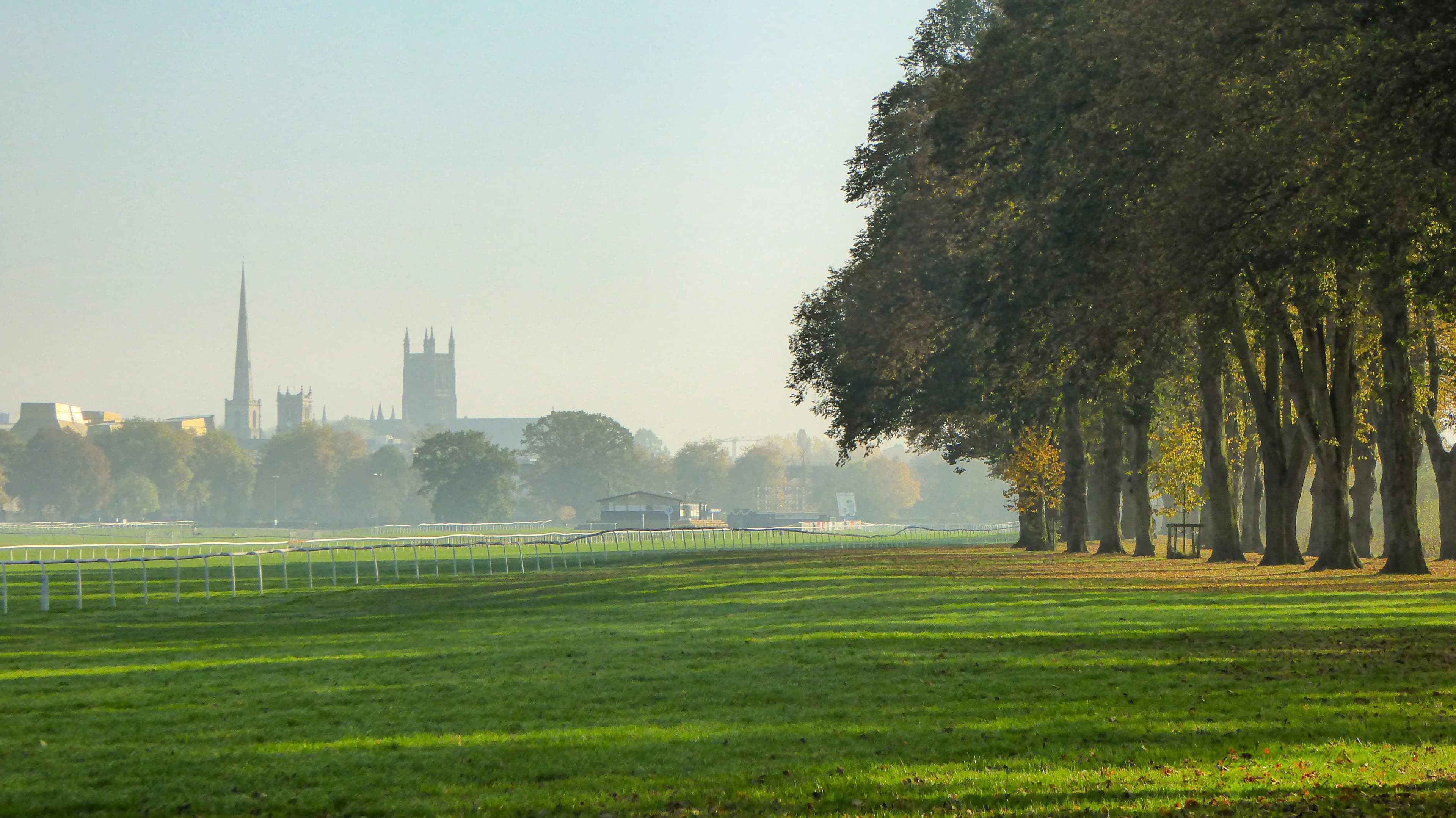
The Malvern Hills form a narrow ridge running north to south along the county's western edge, rising sharply from the Severn plain. Properties positioned along this corridor tend to occupy Victorian-era buildings, a legacy of Great Malvern's status as a spa town during the nineteenth century. The therapeutic water culture that once drew the English upper classes here has translated, in contemporary terms, into a concentration of wellness-focused hotel properties. Suites in this area typically offer elevated sightlines across the Worcestershire plain toward the Cotswolds, with a quietness that is geographic as much as architectural.
The Severn Valley and Vale of Evesham
Moving east and south, the Severn Valley opens into the Vale of Evesham, one of England's most productive horticultural regions. Country house hotels in this zone tend to operate within converted manor houses and former rectories, sitting inside grounds that retain their original kitchen garden layouts. Suites here draw their character from the agricultural setting: high-ceilinged rooms, original stone or brick detailing, and a connection to seasonal produce that extends directly into the dining programme.
The northern fringe and Worcestershire's market towns
The northern part of the county, bordering the West Midlands conurbation, has a different character. Market towns such as Bewdley and Droitwich Spa retain Georgian and Regency street plans that provide the architectural envelope for smaller boutique hotel properties. A luxury hotel suite in this area is more likely to sit within a Grade II listed townhouse than a country estate, offering a more urbane interpretation of Worcestershire's wider residential tradition.
When to visit Worcestershire for the finest suite availability
Worcestershire operates on an agricultural and cultural calendar that differs meaningfully from those of England's coastal or urban destinations. Timing a visit to align with this calendar changes the character of a stay considerably.
Late spring, from mid-April through May, is when the Vale of Evesham's orchards are in blossom. This is widely regarded as the county's most photogenic period, and suite availability at the better properties during this window requires advance planning. The Three Choirs Festival, one of the world's oldest choral music festivals, rotates between Worcester, Hereford, and Gloucester each summer, with Worcester hosting its turn on a three-year cycle. When the festival takes place in the county, demand for high-quality accommodation increases significantly across the region.
Autumn, from September through early November, is the preferred season for travellers who prioritise landscape over events. The Malvern Hills take on a particular quality of light during this period, and the harvest activity across the Vale of Evesham adds a layer of sensory detail that is specific to this time of year. Winter occupancy at Worcestershire's country house hotels tends to be lower, which translates into better suite availability and, occasionally, more considered rates.
Understanding luxury accommodation standards in Worcestershire
England does not operate a formal prestige designation equivalent to France's Palace classification or Italy's Relais et Chateaux framework at the national level, though individual properties may hold membership in international collections. In Worcestershire, the relevant quality signals are different in nature and require a more considered reading.
The primary indicator of a serious luxury hotel property in this county is the quality of the building itself. English Heritage and Historic England classifications (Grade I and Grade II listed status) indicate architectural significance, and the best Worcestershire properties are invariably housed in buildings that carry such designations. A suite within a Grade I listed Jacobean or Georgian house carries a material authenticity that cannot be constructed from new. The proportions of the rooms, the depth of the window reveals, and the specific acoustic properties of stone construction are all fixed conditions that define the experience.
Beyond the building, the quality signals to look for include the staffing ratio, the provenance of the kitchen programme, and the estate or grounds management. The finest luxury hotel suites in Worcestershire will typically connect directly to private terrace space, formal gardens, or parkland. This spatial relationship between interior and exterior is, for this county specifically, one of the defining characteristics of a premium suite stay.
How to choose the right luxury suite in Worcestershire
The choice between a suite in a country estate and one within a market town property should be driven by the primary purpose of the visit. Travellers arriving for walking in the Malvern Hills, cycling the Severn Way, or engaging with the county's agricultural landscape will extract more from a rural property where the suite itself extends toward the outdoors. Those visiting for cultural events, cathedral architecture, or business meetings in the county's commercial centres will find a townhouse suite more functionally aligned.
Room orientation is worth considering specifically in Worcestershire. Properties on the western slopes of the Malverns face toward Wales and catch a quality of evening light that is architecturally significant in how it moves through older interiors. Properties on the eastern side of the county face the Cotswold escarpment, offering a different morning quality. This level of granularity is worth asking about when making a selection.
Suite size in English country house hotels is rarely standardised. The conversion of historic buildings into hotel properties means that individual suites reflect the original room functions: a former master bedroom will differ structurally from a converted library or a wing addition. Requesting floor plans or asking specific questions about ceiling height, bathroom configuration, and connectivity before confirming a booking is standard practice at this level of the market.
Why a curated selection by La Suite matters in Worcestershire
Worcestershire does not have the international profile of the Cotswolds or the Lake District, which means that the signal-to-noise ratio in standard accommodation search tools is poor. Properties of genuinely high quality share search result pages with entirely different categories of accommodation, and the distinguishing characteristics that define a serious luxury suite stay are not reliably captured in conventional listing formats.
La Suite applies a consistent editorial framework to every property in its selection, regardless of the destination's relative profile. In a county like Worcestershire, where the best experiences are often found in properties with limited marketing infrastructure, this curation function is materially useful. The criteria remain the same: architectural integrity, suite spatial quality, staff-to-guest ratio, kitchen programme, and the relationship between the interior experience and the surrounding landscape. A curated selection by La Suite removes the research burden and ensures that every option presented meets the same standard, whether the destination is Paris or the Severn Valley.