Where to stay in Yorkshire: a spatial and experiential guide
The Yorkshire Dales and North York Moors
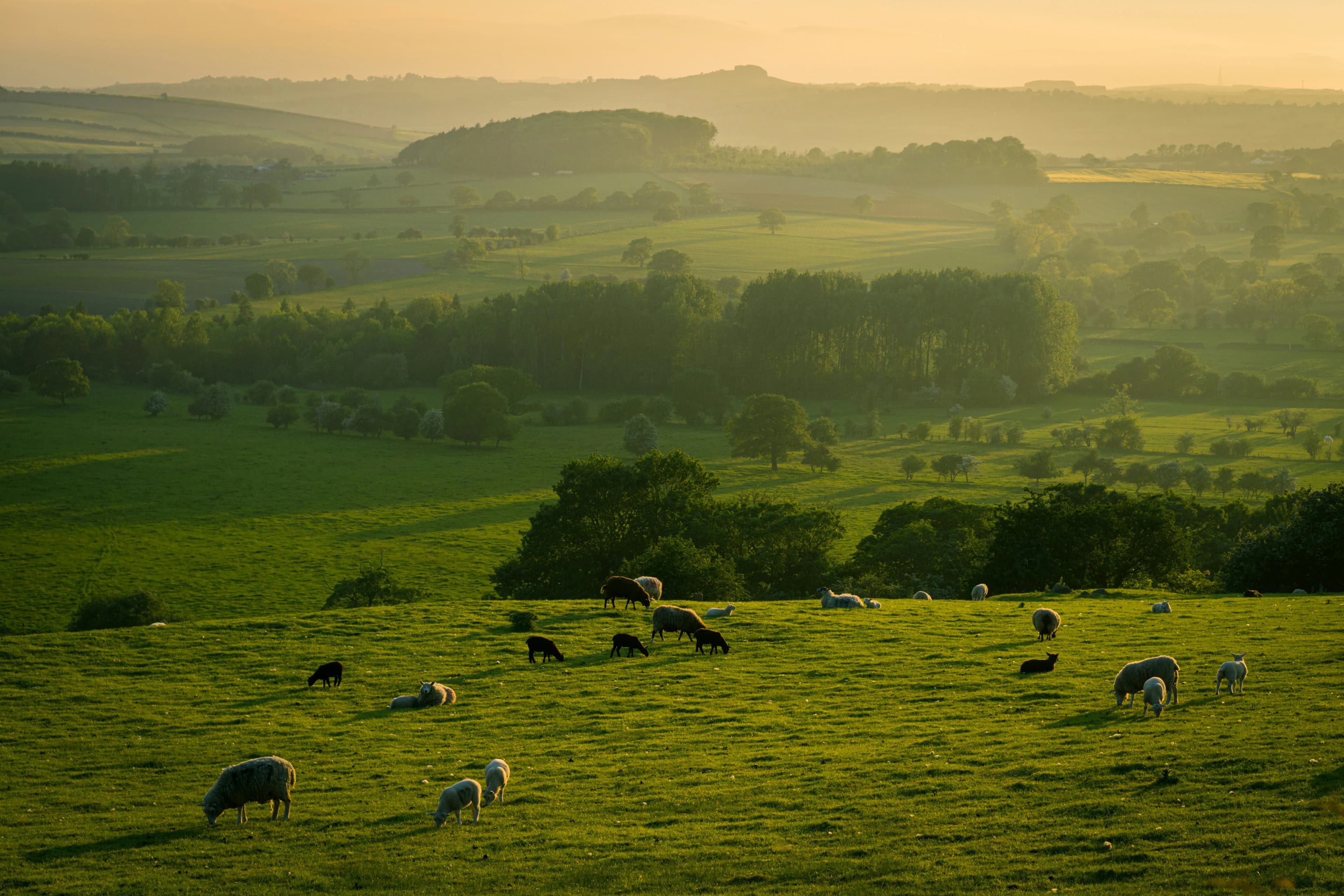
The Dales offer the most uncompromised version of Yorkshire's interior character: dry-stone walls, limestone pavements, and market towns like Skipton and Harrogate that have long attracted a quietly wealthy resident class. Properties in this zone tend toward the country house model, often converted Georgian or Victorian estates set within private parkland. The suite here commands a view that is, by definition, unshared. The North York Moors carry a darker, more austere palette, heather moorland stretching to the Cleveland Hills, and the luxury here has a corresponding seriousness. Fewer properties compete for attention, which concentrates quality among those that do.
The Yorkshire coast
Whitby, Scarborough, and the quieter villages of the Heritage Coast offer a more atmospheric register. The coastline is genuinely rugged, historically layered, and increasingly sought by urban travelers who want sea proximity without the social density of southern English resorts. Converted cliff-top properties and boutique hotels in Georgian terraces provide a different spatial logic from the inland estate model, trading parkland for North Sea light and the sensory immediacy of a working coast.
Harrogate and the spa towns
Harrogate has operated as a destination for restorative travel since the seventeenth century, when its sulfur and iron springs drew visitors from across England. The town retains its Regency and Victorian street architecture with unusual completeness. Luxury hotel suites here typically occupy buildings of listed status, offering a layering of architectural history beneath contemporary service standards. The proximity to the Dales, to Knaresborough, and to York makes Harrogate a credible base for the Yorkshire interior.
York and the Vale of York
York is one of the most complete medieval cities in Northern Europe, its Roman walls, Viking street patterns, and Gothic Minster forming a dense urban fabric that demands a deliberate pace. Luxury hotels within the city walls or on its immediate perimeter offer access to this fabric without the noise of proximity to tourist circuits. The Vale of York extending south and east provides further country house options within a short drive of the city's cultural resources.
When to visit Yorkshire for the finest suite experience
Yorkshire operates on a seasonal logic that differs from southern England. The moors and Dales are at their most vivid between late July and September, when heather blooms across the uplands and the light holds long into the evening. This is the period of highest demand at rural properties, and suites at the better-regarded country houses are reserved months in advance by repeat guests.
Spring, from April through June, offers a more measured arrival: the landscape recovering its green, the crowds absent, and the hotels restaffed and refreshed after the winter closure many take. Harrogate's flower shows in spring, and the York Festival of Ideas in June, attract a culturally motivated visitor who values the shoulder season's quieter access to both the town and its surrounding properties.
Autumn draws those interested in the shooting season and in the specific quality of October and November light on the moors. The Great Yorkshire Show, held in Harrogate each July, is England's largest county agricultural show and a significant event in the Northern English social calendar, drawing visitors who combine attendance with a suite stay.
Winter is not a dead season in Yorkshire. Christmas markets in York are among the most architecturally convincing in England, given the medieval setting, and several country house hotels operate festive programs of genuine distinction. The moors in frost and low cloud carry their own appeal for the traveler who reads landscape rather than simply occupies it.
Understanding luxury hotel standards in Yorkshire
England does not operate a formal national luxury classification equivalent to France's Palace designation, which means that Yorkshire's finest properties are identified through a combination of AA Rosettes for dining, Historic Houses membership for architecturally significant estates, and the reputation systems maintained by specialist curation platforms and travel editors.
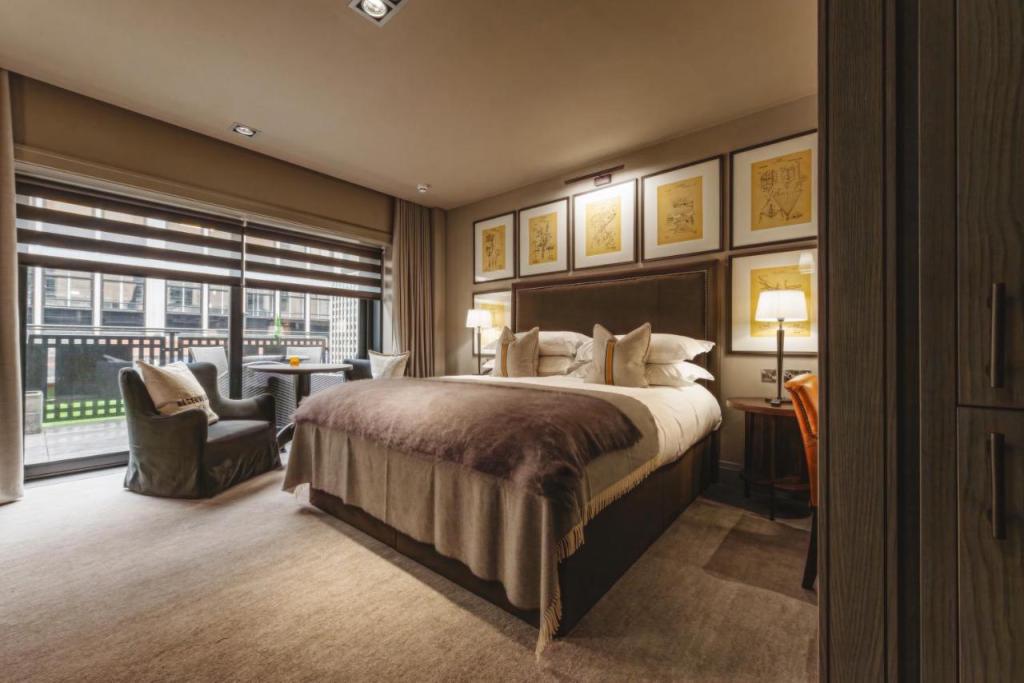
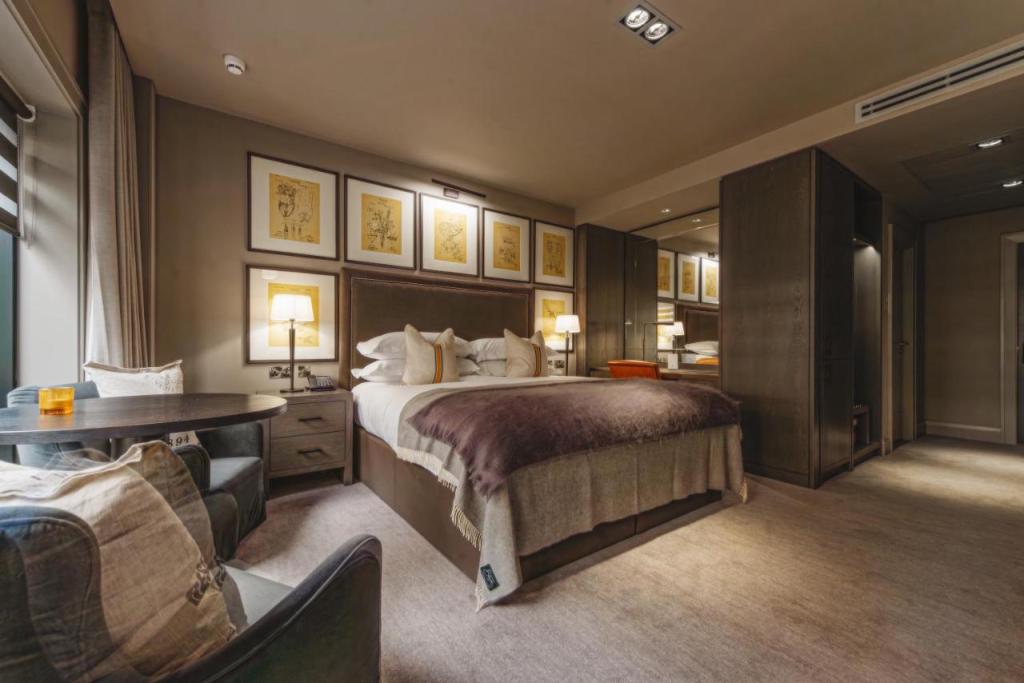
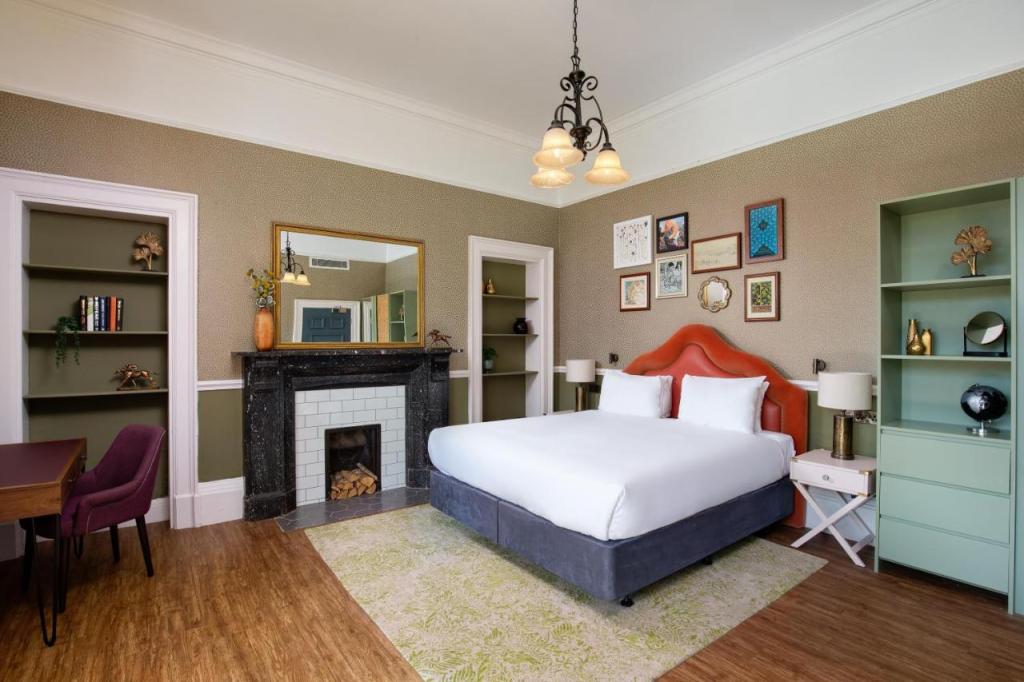
The dominant typology for luxury hotel suites in Yorkshire is the country house hotel: a property that began as a private estate, often eighteenth or nineteenth century in construction, converted to hospitality use while retaining the spatial logic of the original building. These conversions, when well-executed, deliver suite spaces of genuine architectural character: high ceilings, original fireplaces, proportioned windows, and a relationship between interior and landscape that a purpose-built hotel cannot replicate.
A secondary typology is the Georgian townhouse hotel, concentrated in Harrogate and York, where listed buildings provide a more urban suite experience with the compensatory access to cultural programming and dining that these towns offer. A third, smaller category is the spa hotel, rooted in Harrogate's therapeutic tradition, which has evolved into a contemporary wellness hospitality offer of increasing sophistication.
Service standards at the top tier of Yorkshire hospitality have risen considerably over the past decade, driven partly by the growth of destination dining: several properties in the region hold Michelin recognition or carry culinary reputations that generate their own draw.
How to choose the right luxury suite in Yorkshire
The primary variable in Yorkshire suite selection is the relationship to landscape. A moorland property and a spa hotel in Harrogate deliver categorically different spatial and sensory experiences, and the traveler's purpose should determine the geography before the property is chosen.
For those whose priority is architectural authenticity, the country house conversion is the appropriate category, with attention paid to which part of the building the suite occupies. Original principal rooms, often named and retaining their period detailing, provide a materially different experience from modern extensions or converted outbuildings, however well-designed.
For coastal stays, the orientation of the suite relative to the sea is the decisive variable. North Sea light is directional and, in the right context, extraordinary. A suite that captures it without interruption from adjacent development is the correct specification.
Practical considerations include access logistics: Yorkshire's rural properties often require a car, and the best country house estates are not served by public transport. For city-based stays in York or Harrogate, central location within walking distance of the principal cultural sites is a meaningful differentiator. Parking arrangements matter at all categories of property.
The value of curated selection by La Suite in Yorkshire
Yorkshire contains a high volume of hotels that present themselves at the luxury tier. The gap between marketing presentation and actual suite quality is, in several cases, considerable. La Suite's curation process filters this market by applying consistent criteria: spatial quality, architectural coherence, service delivery, and genuine privacy. In a county where the country house category spans properties of very different caliber, this filtering is not incidental. It is the service. The curated selection by La Suite gives the traveler a reliable shortlist drawn from direct editorial assessment, removing the inefficiency of broad platform searches and the risk of properties that perform luxury rather than deliver it.