

Asia / November: Bangkok, Chiang Mai, Seoul, three faces to explore
BY Jules Peulet

November opens a rare window onto Southeast Asia and the Far East. Between the end of monsoon season in Bangkok, the gentle coolness of Chiang Mai, and the colorful autumn of Seoul, discover three destinations that embody understated luxury far from the beaten path.
November in Asia: the moment when light becomes essence
November redraws Asia. Where September and October still offer tropical humidity, the eleventh month soothes the three destinations that today define continental Asian luxury. In Bangkok, the monsoon withdraws. In Chiang Mai, the nights become crystalline. In Seoul, autumn turns to gold. This is the precise moment when these three cities cease to seduce and begin to speak.
Discover all our suites in Asia !
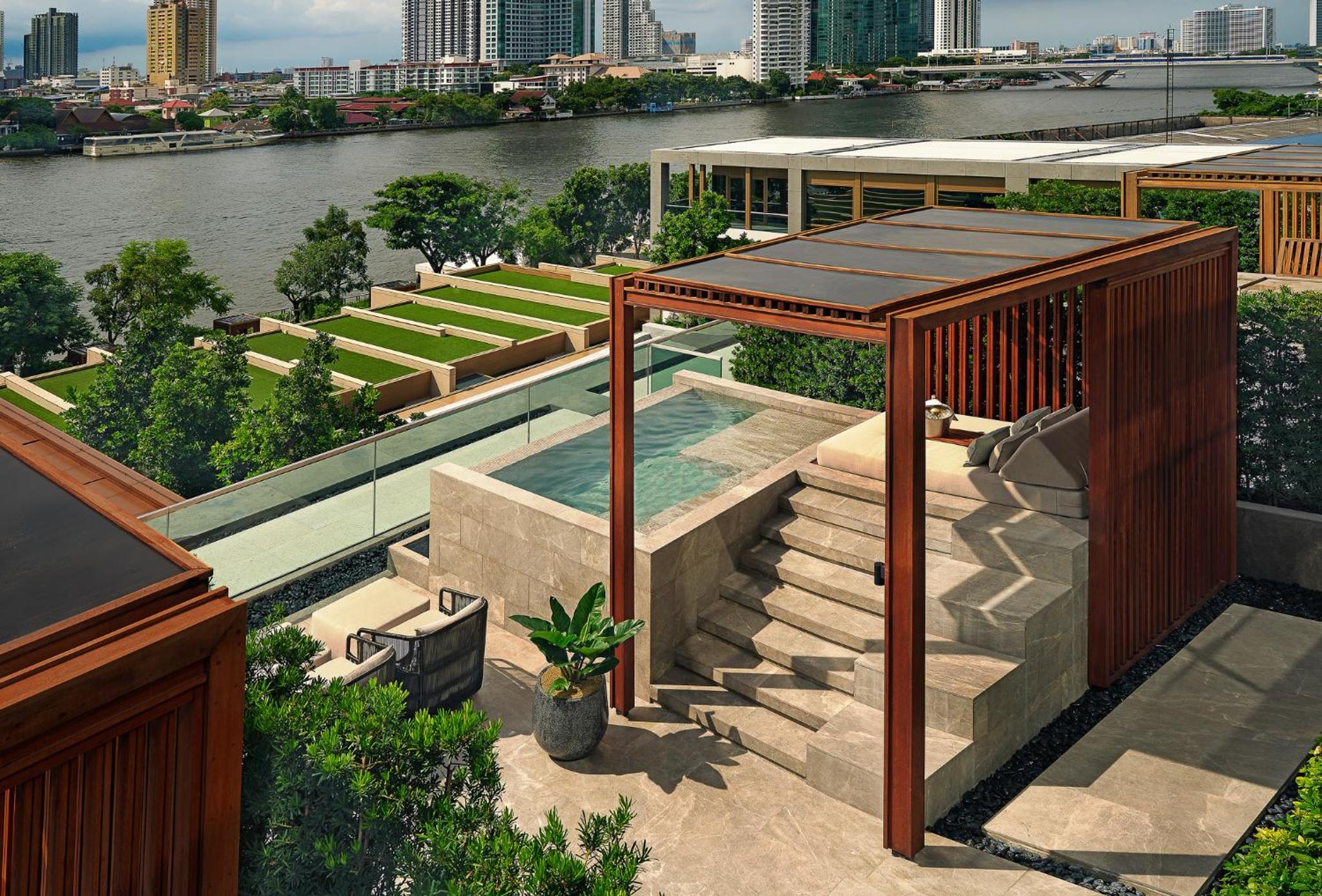
Bangkok: architecture on the banks of the Chao Phraya
When modernity weds the river
Bangkok in November is not Bangkok in July. The rain has ceased, the air clears, and the Chao Phraya becomes what it truly is: an artery of life, not a climatic obstacle. The Thai capital then reveals itself in its true light: a city where the vertical height of skyscrapers sits beside the horizontality of temples, where concrete speaks the same language as gilding.
Capella Bangkok embodies this duality. Positioned directly on the river, this 5-star establishment does not seek to dominate the landscape but to breathe it. Its contemporary architecture dialogues with water, inner courtyards and vegetation. The glass facades do not isolate: they frame. The establishment offers a restaurant serving French, Italian and Mediterranean dishes, as well as an outdoor pool open year-round, a sauna and a hammam.
The River Suite: river presence
The River Suite at Capella Bangkok (156 m²) offers the most immediate experience of the river. Materials are refined: glass, steel, light wood. Daylight passes entirely through the space, creating visual continuity between the interior and the Chao Phraya. The furniture respects minimality. No superficial ornament. Only the view, omnipresent, speaks.
This suite embodies the quiet luxury that discerning travelers seek: no gilding, no thick carpets, no decor that shouts. Just water, the city in the background, and architecture that withdraws to let you breathe.
The Riverside Accommodation: minimal intimacy
For those seeking essence without surface, the King-Size Riverside Accommodation (61 m²) offers functional reduction without sacrificing experience. Lines remain clear, river orientation maintained. It is not a standard room: it is a space designed for those who come here to breathe, not to occupy.
Discover all our suites in Bangkok !
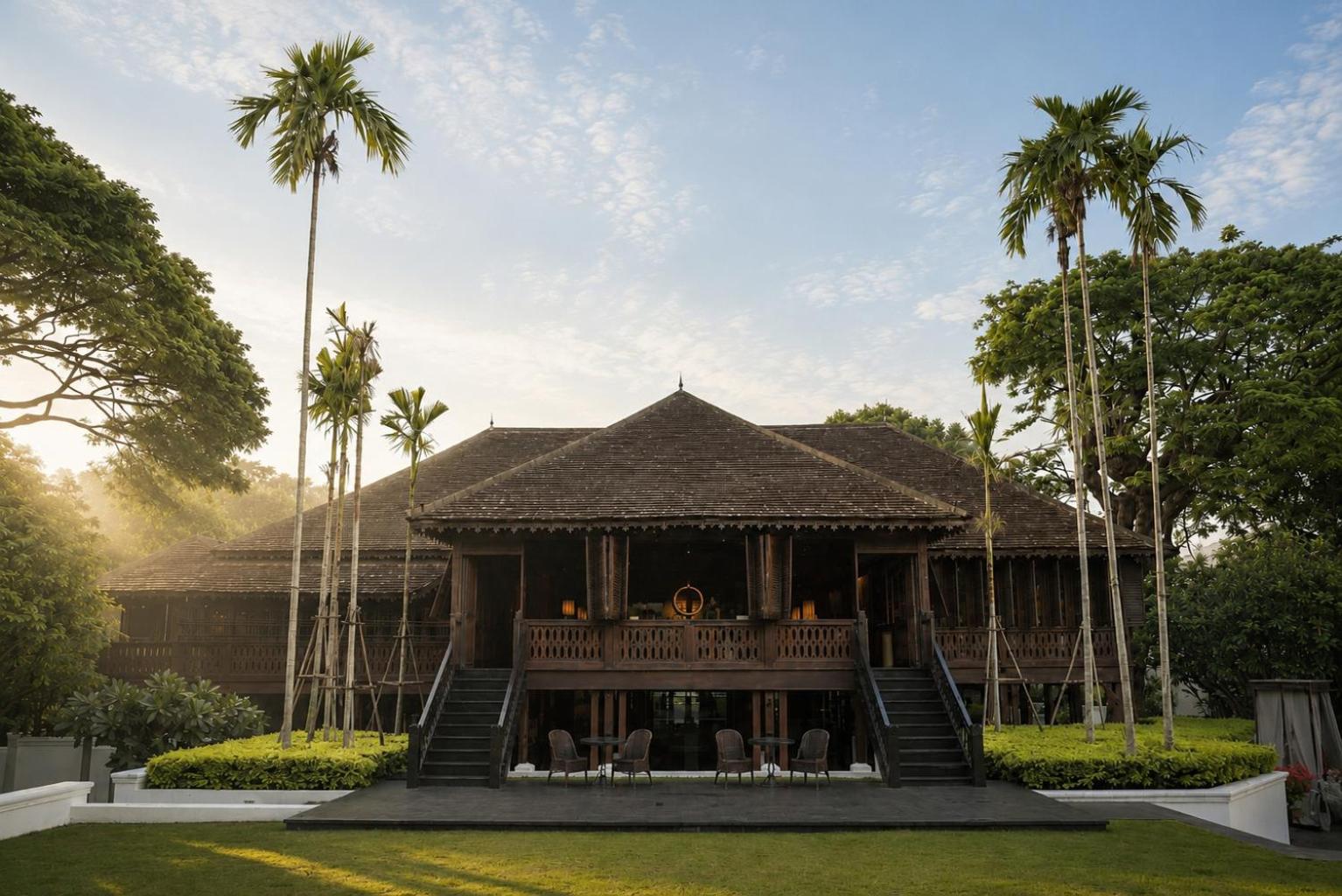
Chiang Mai: Between Colonial History and Suspended Modernity
The Golden Triangle: Geography of Silence
Chiang Mai in November is a late discovery. While most travelers abandon it to the mass tourism of December, the eleventh month offers a rare window: cool nights (between 15 and 25°C), absence of monsoon, and a quality of light that only Asian autumn knows. The Golden Triangle region, historically a crossroads of Thai, Lao and Burmese empires, then recovers its intrinsic silence.
137 Pillars House rests on a simple philosophy: to recreate what Chiang Mai was in the early twentieth century, when the city was still a city. The establishment occupies a former colonial house, restored with rare architectural precision. Period wood, proportions of yesteryear, but contemporary comfort. Just a 10-minute walk from Chiang Mai's night bazaar, it offers an outdoor pool, spa and fitness room. The restaurant serves Thai and international dishes, while the bar library creates an atmosphere of studious intimacy.
Discover all our suites in Chiang Mai !
Louis Leonowens Suite with Pool: The Personal Sanctuary
The Suite Louis Leonowens with Pool (135 m²) is a statement of principle. It does not contain a generic private pool: it integrates water as an element of meditation. Period parquet runs to the edges of the bathing area. Materials remain authentic: raw wood, stone, natural textile. The spacious dressing room and patio invite a slowness that modern hotels have forgotten. The Victorian bathtub in the bathroom does not play a nostalgic role: it restores nineteenth-century comfort as standard.
This suite speaks the language of residential luxury: one lives here, one does not merely lodge.
Suite William Bain with Terrace: urban observation
Those who prefer observation to isolation choose the Suite William Bain with Terrace (100 m²). The terrace does not overlook: it opens onto the garden and the old rooftops of Chiang Mai. The proportions recall the guest houses of the British colonial era, but no kitsch artifice pollutes the space. Natural materials (wood, stone, cotton) absorb light rather than reflect it. It is a place to read, write, observe.
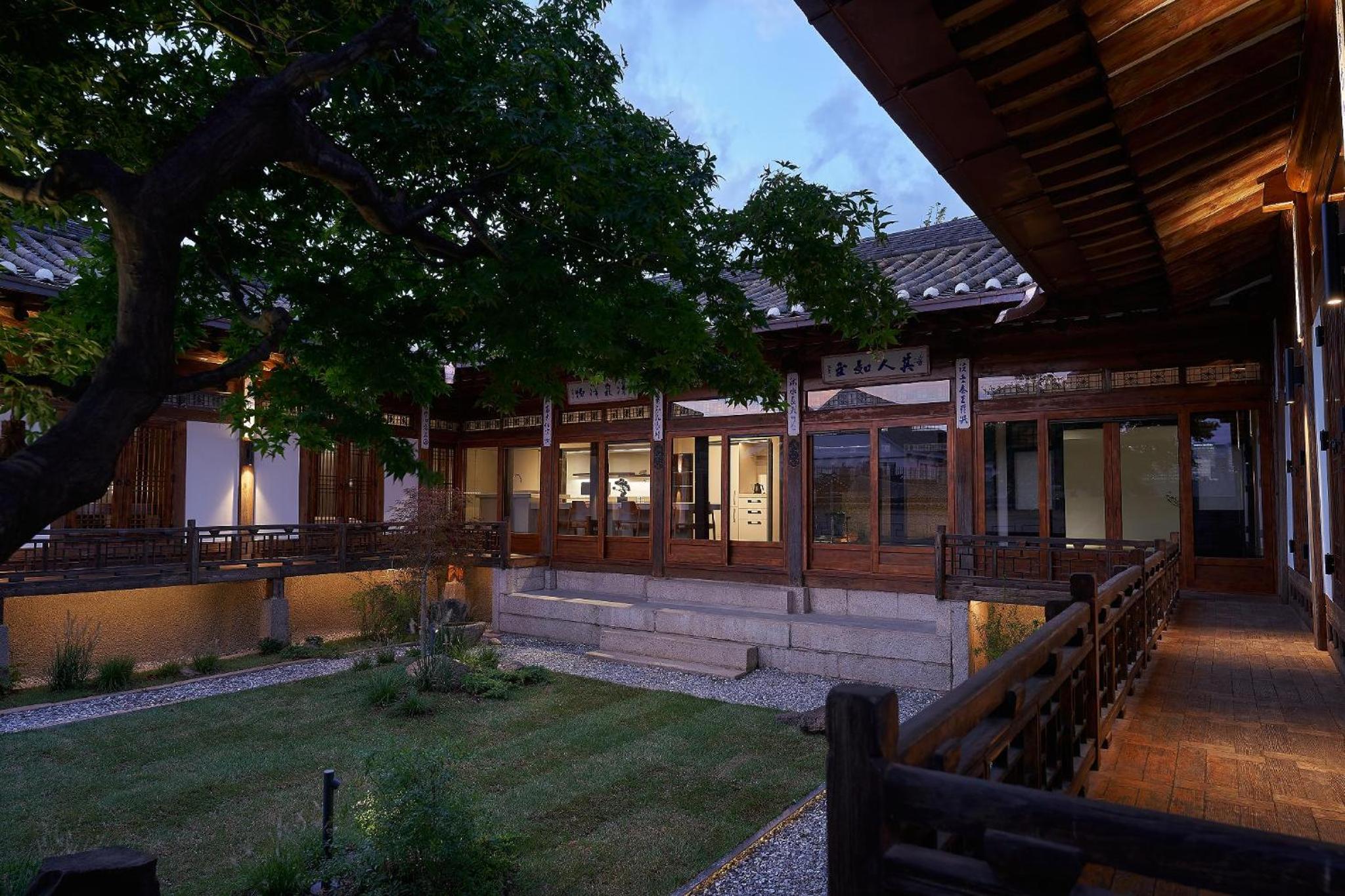
Seoul: autumn in traditional architecture
November in Seoul: seasons become color
Seoul in November has no equivalent in Southeast Asia. While Bangkok and Chiang Mai remain tropical, South Korea's capital fully enters autumn. Maples turn crimson, ginkgos turn absolute gold. The palaces of Gyeongbokgung and Changdeok, usually drowned in crowds, recover an almost ceremonial solitude.
It is in this context that traditional hanok regains meaning. Far from being a tourist pastiche, Korean hanok is an architectural response to what autumn brings: low light, long shadows, materials that must breathe with the seasons.
Nostalgia Hanok Hotel, located in Jongno-gu near the royal palaces, reinterprets hanok without freezing it. The establishment offers air-conditioned accommodations with private bathroom, a garden, a hot tub. Located 1.4 km from Gyeongbokgung Palace and Changdeok Palace, 1.1 km from Jogyesa Temple, it reconnects with Seoul's spiritual geography.
Hidden Jae Accommodation: traditional architecture reinvented
The Hidden Jae Accommodation (185 m²) deploys all the codes of hanok: light wood exposed beams, smooth stone flooring, sliding doors that segment the space without dividing it. But no affectation. Each element truly structures the space. Floor heating (ondol) works authentically. The coffee machine places modernity where it should be: discreet, functional.
November gives this suite its true light. At 3 p.m., the sun enters through the south-facing windows, grazing the roofs of Seoul. The shadows of the beams project sharply onto the whitewashed walls. It is at this moment that traditional Korean architecture reveals its intention: to create a geometry of light, not decoration.
Slow Jae Accommodation: Korean essentialism
The Slow Jae Accommodation (127 m²) affirms its name through structure. No excess. The rooms are sequenced: an antechamber, a living space, a bedroom, a bathroom. Each transition is marked architecturally. The traditional Korean wooden flooring remains raw. Textiles are dyed with natural colorants. The view of the city from the small terrace reminds us that Seoul remains Seoul: modern, vibrant, dense. But from this point of retreat, we no longer look at it, we breathe it in.
Discover all our suites in Seoul!
Three rhythms, one same requirement: silence, matter, local expertise
What connects Bangkok, Chiang Mai and Seoul in November is less their climate than their philosophy. Each of these three addresses refuses the theatricality of mainstream luxury. They share three convictions.
Silence as primary luxury
Capella Bangkok masters urban silence: it creates it through the thickness of glass, interior geometry, the absence of ambient music. 137 Pillars House imposes natural silence: no acoustic amplification, just the sound of the garden, the wind. Nostalgia Hanok Hotel captures it through structure itself: earth walls absorb noise, sliding doors do not slam.
In each case, silence is not the absence of sound: it is the presence of clarity. Someone entering the Hidden Jae Accommodation in Seoul clearly hears the footsteps on the wooden floor. This audition is comfortable because it is expected, architected.
Matter as language
Light wood in Bangkok, period wood in Chiang Mai, traditional wood in Seoul. Natural stone everywhere. Undyed textile. No material is there to impress. Each material plays a structuring role. The glass at Capella Bangkok does not separate, it frames. The parquet at 137 Pillars House does not shine, it patinas. The earth of the hanok walls breathes with the seasons.
Luxury no longer equals accumulation. It means rightness: choosing a material, using it without detour, letting it age nobly.
Local craftsmanship as signature
Capella Bangkok offers a restaurant that authentically serves Mediterranean cuisine, not a tourist interpretation of Thai cuisine. 137 Pillars House employs local artisans who understand Thai wood, not parachuted decorators. Nostalgia Hanok Hotel entrusts the management of the garden and building to teams who grew up with this architecture.
This local anchoring is not destination marketing. It is an assurance of permanence: these three places will not age poorly because they are inhabited, maintained, and conceived by those for whom this place is not a professional anomaly but a rooting.
November: geographic and climatic window
November offers not only favorable climate. It redraws the spatial hierarchies of each city. In Bangkok, the river becomes a true presence again. In Chiang Mai, the nights finally allow you to appreciate the architecture without thermal suffocation. In Seoul, autumn gives the palaces and hanoks the light for which they were built.
It is also the moment when these three cities breathe. The tourist calendars of year-end festivals have not yet begun. Schools around the world remain in session. Art galleries reopen. Restaurants resume their normal rhythm. Hotels can think about hospitality without acceleration.
For those who travel to understand rather than check boxes, November in Asia is a rare opportunity. Three cities, three architectures, three approaches to discreet luxury. Three ways of reminding us that comfort is not the opposite of essence, but its complement.
Key takeaways
November redraws Asia: end of monsoon in Bangkok, coolness in Chiang Mai, autumn in Seoul. Three climates, three different lights that reveal the architecture of each place.
Capella Bangkok, 137 Pillars House and Nostalgia Hanok Hotel share a common philosophy: silence as foundation, material as language, local craftsmanship as signature.
Each suite was designed for a specific relationship with space: fluvial in Bangkok, residential in Chiang Mai, temporal in Seoul.
November is the moment when these three cities stop seducing through exoticism and start speaking through architecture, history and light.
Frequently asked questions
What is the best time to visit Bangkok, Chiang Mai and Seoul in November?
November in its entirety offers optimal climate across all three destinations. The first days present slightly higher temperatures (28-30°C in Bangkok), while the end of the month introduces cooler nights in Seoul (10-15°C). Mid-November represents the ideal balance: clearly off-season for tourism, climatically stable, optimal light.
How to integrate these three cities into a single trip?
Bangkok functions as the entry point (2-3 days are sufficient). A 1h30 flight leads to Chiang Mai for 3-4 days. From Chiang Mai, a 3h30 flight reaches Seoul for the final 3-4 days. This sequence respects a geographical progression from south to north and allows for progressive acclimatization to temperature differences.
Do the three hotels offer concierge services to organize visits?
Yes. Capella Bangkok offers 24/24 concierge service and an excursions desk. 137 Pillars House also proposes an excursions desk and 24/24 reception. Nostalgia Hanok Hotel offers airport shuttle service and a reception available to organize local visits.
Are there private pools in these three establishments?
Capella Bangkok offers an outdoor pool open year-round (shared). 137 Pillars House features an outdoor pool and suites with private pool, such as the Louis Leonowens Suite. Nostalgia Hanok Hotel proposes a shared hot tub but no pool.
What is the difference between the suites offered in each of the three hotels?
The suites at Capella Bangkok prioritize the relationship to water and urban views (River Suite 156 m²). Those at 137 Pillars House offer residential intimacy with access to gardens and private pools (Louis Leonowens Suite 135 m²). The accommodations at Nostalgia Hanok segment space according to traditional hanok philosophy (Hidden Jae 185 m², Slow Jae 127 m²). Each type responds to a different mode of travel: urban observation, contemplative retreat, cultural immersion.
If you appreciate this Asian selection for November, also discover our guides on the most beautiful luxury suites in Tokyo and explore how architecture dialogues with landscape in New Zealand. For those seeking a coastal alternative, also consult our mapping of coastal luxury in Australia, from Perth to Broome.
More from the Journal

Rio de Janeiro: Three Addresses, Three Definitions of Exceptional Stays
Between the historic prestige of Copacabana, the international excellence of a five-star hotel facing the Atlantic, and the confidentiality of a guesthouse perched in the heights, Rio de Janeiro offers three distinct geographies of luxury. LaSuite deciphers each address to guide your choice according to your traveler profile.
BY Jules Peulet

City Break: 7 Urban Luxury Suites for an Inclusive Escape
Demanding LGBTQ+ travelers are no longer simply seeking "safe" urban destinations; they expect flawless architectural experiences and impeccable hospitality at the heart of the world's major cities. For this selection, Lasuite.com partnered with Mygayhotels.com. By combining their rigorous selection of certified "Travel Proud" establishments with our expertise in Quiet Luxury design, we have discovered 7 urban sanctuaries (Paris, New York, London, Madrid, Amsterdam, Rio de Janeiro and Rome). Each of these suites blends stunning aesthetics, strategic location and the assurance of hospitality that celebrates diversity.
BY Jules PEULET

Luxury suite with private jacuzzi near Paris: comparative guide for Île-de-France
Comparative guide to luxury suites with private jacuzzi in Paris and Île-de-France: objective criteria, neighborhoods to favor, comparative table, stay formats, occasions and budget.
BY Jules Peulet