
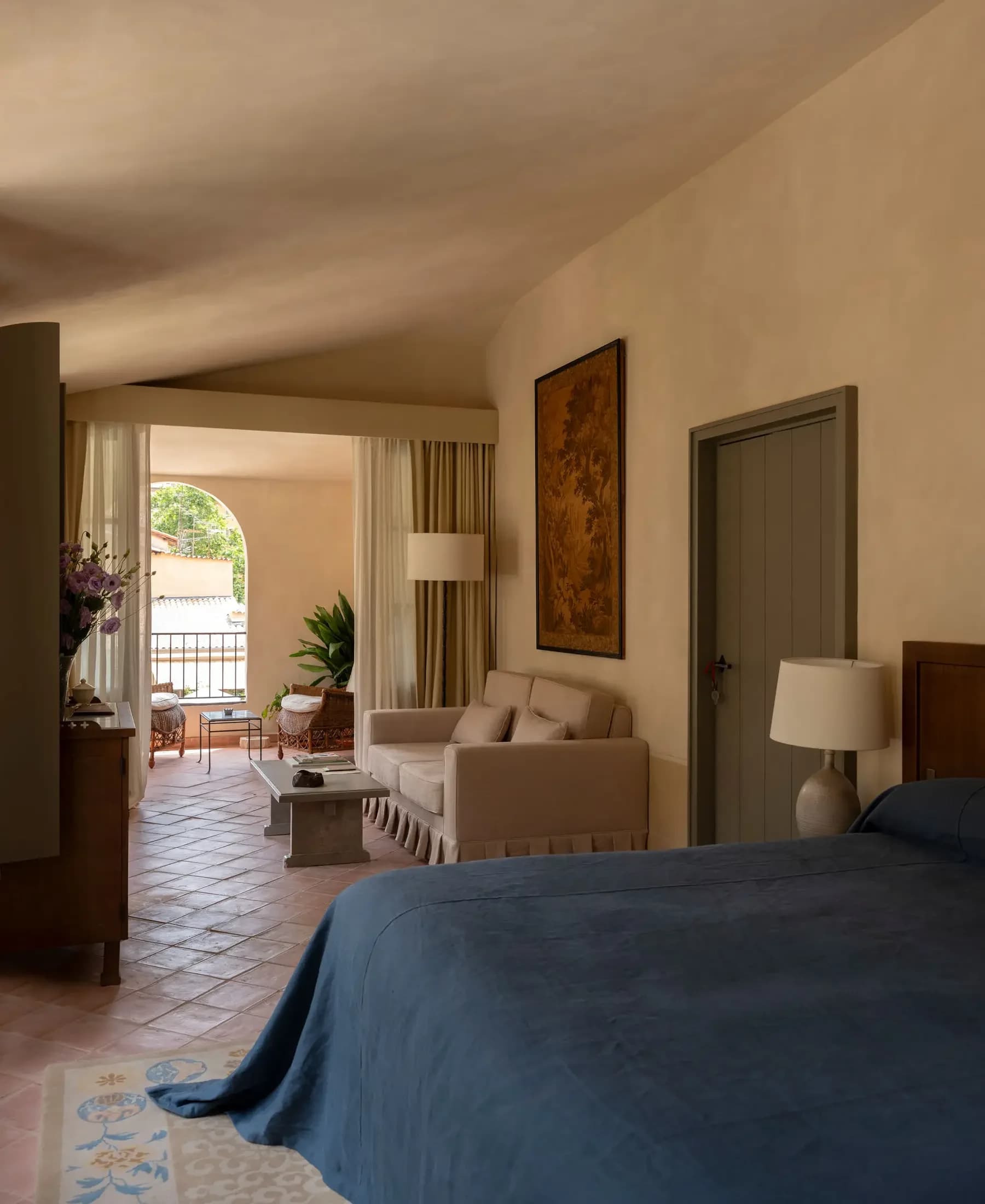
Festen Architecture: Masters of Residential Elegance and Quiet Luxury
BY Jules Peulet

In the saturated landscape of luxury hospitality, where ostentation and polished marble once reigned supreme, a silent revolution has taken shape. As we explored in our manifesto dedicated to Masters of Space, who design tomorrow's suites, the most discerning travelers no longer seek to rent a simple room; they wish to embrace a signature, an atmosphere, a sanctuary. At the heart of this quest for authenticity lies a name that has become indispensable: Festen Architecture.
In the saturated landscape of luxury hospitality, where ostentation and polished marble have long reigned supreme, a silent revolution has taken shape. As we explored in our manifesto dedicated to Masters of Space, who designs tomorrow's suites, the most demanding travelers no longer seek to rent a simple room; they desire to claim a signature, an atmosphere, a refuge. At the heart of this quest for authenticity lies a name that has become unmissable: Festen Architecture.
Founded by the duo Charlotte de Tonnac and Hugo Sauzay, the Festen firm has established itself as the absolute antidote to standardized luxury. Their philosophy? To erase the cold codes of commercial hospitality and recreate the warm intimacy of a private apartment. From the secret streets of Paris to the sun-drenched shores of the Mediterranean, Festen redefines what it means to "feel at home" at the other end of the world.
A clinical and aesthetic dive into the universe of Festen, the duo that has made discreet elegance the new standard of ultra-premium travel.
1. Who is behind Festen Architecture?
Festen's success rests on a singular alchemy, that of two minds trained at the same school and sharing a radical vision of space. Charlotte de Tonnac and Hugo Sauzay meet on the benches of the prestigious Camondo school in Paris. Graduates in 2011, they founded their agency shortly after. The name "Festen," borrowed from the famous Danish film by Thomas Vinterberg, evokes celebration, gathering, banquet. A name that reflects their desire to design living spaces, places of sharing where the human remains at the center of geometry.
From their first projects onward, the duo stands out through a disconcerting maturity. Rather than seeking to impose a "Festen style" from scratch, they position themselves as revelalers of history. Their approach is almost archaeological: before drawing even the slightest line of furniture, they analyze the context, the neighborhood, the original building. They "clean" the space of the hasty renovations of past decades to rediscover the truth of the structure.
It is this humility in the face of the existing, coupled with an obsessive attention to detail, that quickly caught the attention of the most visionary hotel groups. Charlotte often brings softness, textile fluidity and chromatic nuance, while Hugo excels in the rigor of lines, the balance of volumes and the purity of raw materials. Together, they have created an architectural vocabulary that does not age.
2. Festen DNA: "Residential Understatement"
If one were to summarize the Festen signature in a single concept, it would be that of Residential Understatement. In a suite designed by Festen, you will never find loud logos, unnecessary gilding, or invasive technologies blinking in the darkness. Luxury, according to them, resides in what is not immediately visible, but what is felt deeply.
The truth of raw materials
Festen's sensory signature is unmistakable. The duo dislikes synthetic finishes and glossy varnishes. They favor living materials, those that bear the imprint of time and age with elegance. Their spaces highlight brushed solid oak, corduroy (which absorbs light and sound wonderfully well), unlacquered aged brass, terracotta, and natural stones with irregular veining. Walking barefoot in a Festen bathroom, the porosity of the stone tells a story that industrial tiling will never be able to imitate.
The erasure of hotel codes
One of their greatest achievements is having systematically erased the "markers" of classical hospitality. Long dreary corridors, uniform carpeting, standardized desks, and aggressive lighting are banned. Instead, they create enfilades inspired by bourgeois interiors, incorporate very low seating that changes body posture and encourages relaxation, and cleverly conceal screens and home automation behind custom-made woodwork.
The mastery of "Chiaroscuro"
Where most hotels seek to flood their rooms with white clinical light, Festen masters the art of shadow and chiaroscuro. Their suites are refuges. The lighting is always indirect, warm (around 2200 Kelvin), highlighting the texture of a scraped wall or the curve of a 1950s vintage armchair. Light becomes an architectural material in its own right.
3. The Hotel Portfolio: Where to Experience Festen?
For the discerning traveler, staying in a property designed by Festen is a stylistic pilgrimage. The agency selects its hotel projects with immense rigor. Here are the architectural masterpieces where you can today book a room, and which embody the quintessence of the "La Suite" philosophy.
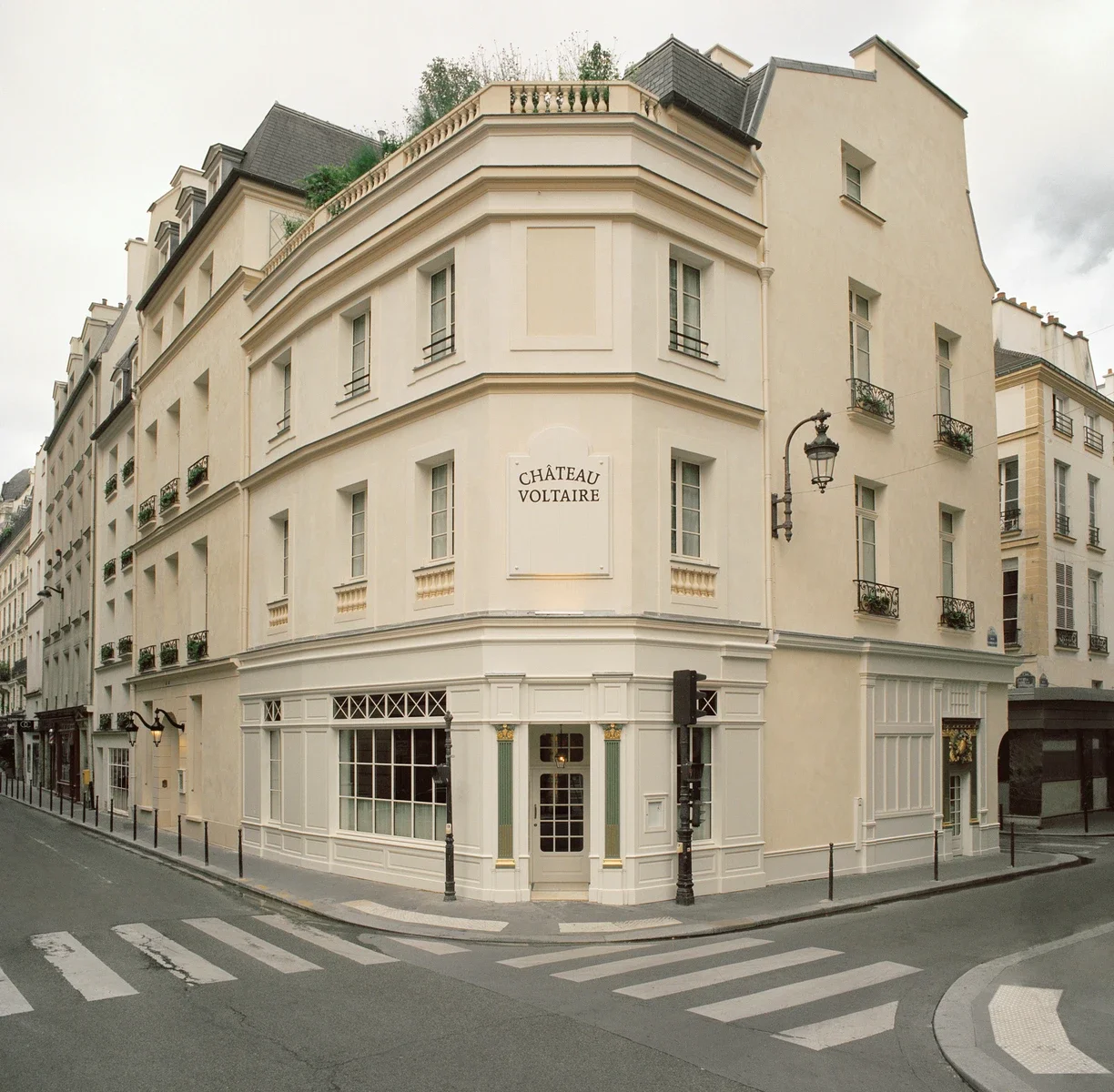
Château Voltaire, Paris: The Best Kept Secret
Located just steps from the Palais Garnier, Château Voltaire is perhaps the purest expression of the Festen style in an urban setting. For this intimate 32-room establishment, the duo brought together three distinct buildings from the 17th and 18th centuries. The result is not a hotel, but the fantasized home of an erudite Parisian friend. The rooms are adorned with carpets in discreet patterns, velvet headboards, and solid oak woodwork. The bathrooms, veritable jewels, use black zellige or raw stone. It is the ultimate address for those seeking anonymity, the comfort of a cocoon, and the service of a palace without its ostentation.
For whom? Design purists and business travelers seeking a confidential retreat.
[Experience absolute Parisian living at Château Voltaire, Book your stay here]
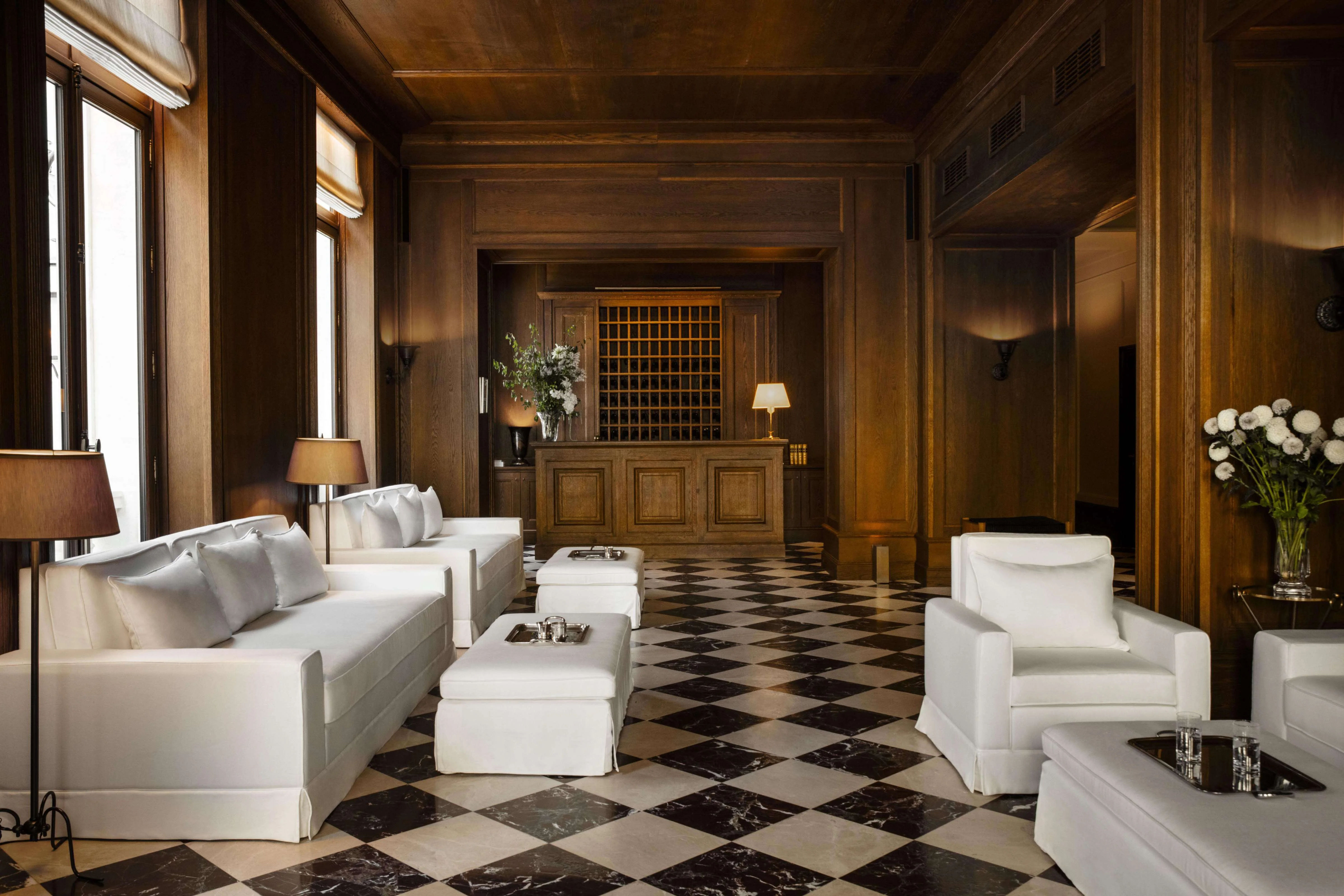
Hôtel Balzac, Paris: The Timeless Elegance of the 1930s
The latest addition to their Parisian collaboration, Hôtel Balzac, nestled just steps from the Champs-Élysées, marks a sophisticated turning point. Festen has reimagined this historic venue drawing inspiration from the muted elegance of the 1930s. The duo has designed 58 rooms and suites as havens of peace offering, for some, breathtaking views of the Eiffel Tower. Custom-made furniture with pure lines, the use of dark wood, lacquer and precious fabrics create an atmosphere both hushed and majestic. The lounge beneath a glass roof and the Japanese-inspired spa complete this masterful renovation that honors history while modernizing it.
For whom? Lovers of modernized classicism and discreet Parisian glamour.
[Discover the new face of luxury at Hôtel Balzac, Book your stay here]
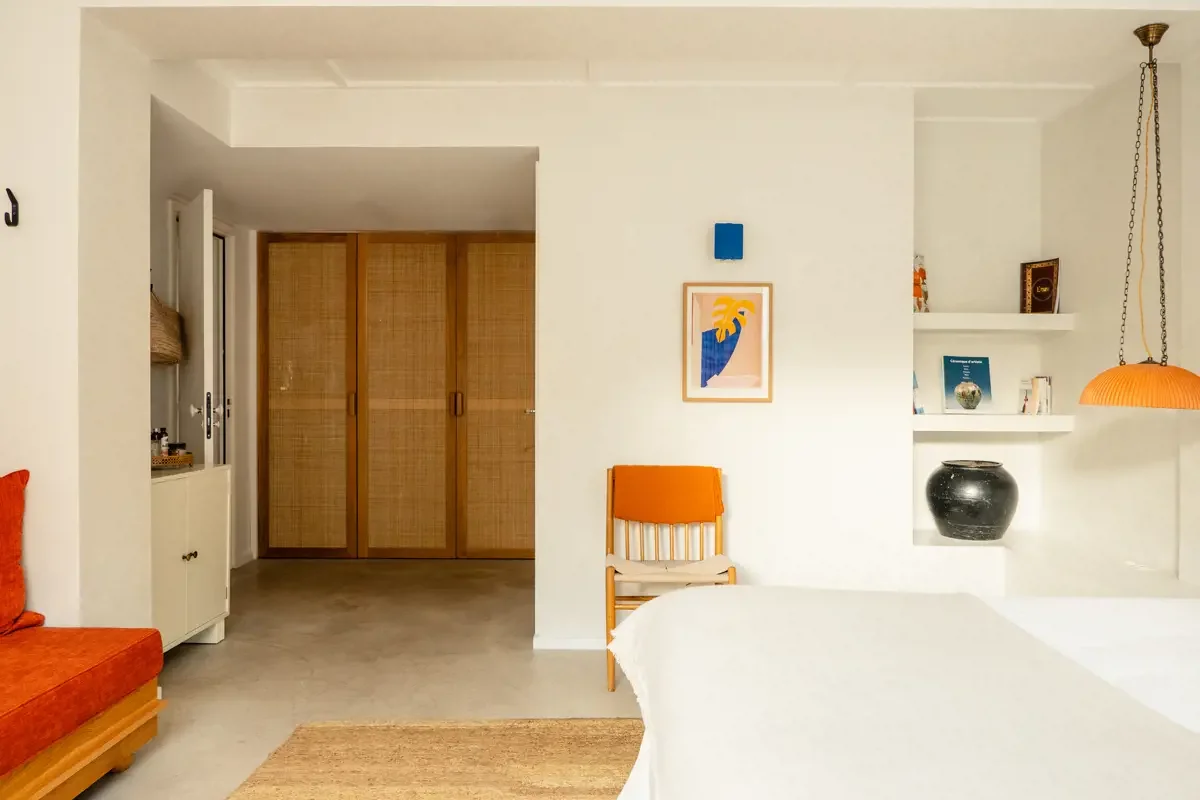
Les Roches Rouges, Saint-Raphaël: Elementary Modernism
Far from the greyness of Paris, Festen proved its capacity for geographical adaptation with Les Roches Rouges on the Côte d'Azur. Investing in a 1950s building set on the Mediterranean Sea, they opted for radical and sunny modernism. Farewell to the Riviera's ostentatious splendor; welcome simplicity and monastic restraint. The pure white of the walls contrasts with the azure blue of the sea and the red of the Esterel. The rooms, stripped to the essentials, showcase polished concrete floors, vintage rattan furniture, driftwood and touches of lemon yellow. The architecture literally steps aside to let the landscape in.
For whom? Aesthetes seeking digital detox, raw light and reconnection with untamed nature.
[Inhabit the horizon line at Les Roches Rouges, Book your stay here]
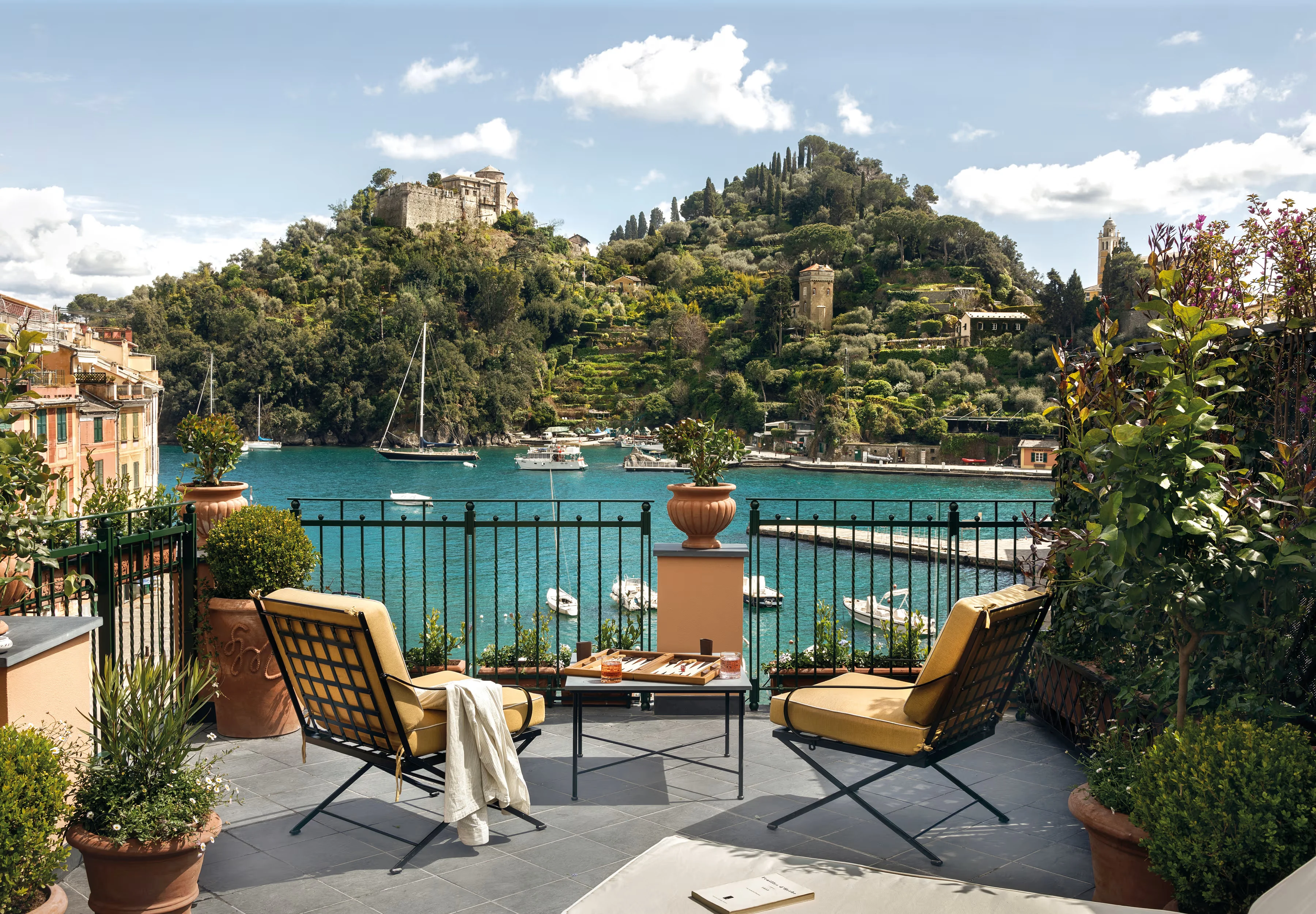
Splendido Mare, a Belmond Hotel, Portofino: Italian Nostalgia
Tackling a myth like Portofino's hospitality required infinite tact. For the Belmond group, Festen renovated the Splendido Mare. The duo drew inspiration from the nautical aesthetic of the Italian Riviera of the 1950s, the era of Dolce Vita. They incorporated varnished walnut woodwork reminiscent of Riva boat decks, terracotta floors typical of Liguria, and textiles with pastel stripes. The result is an understated sophistication, deeply local, where each room resembles the cabin of a vintage yacht anchored on Italy's most beautiful square.
For whom? Unapologetic romantics and lovers of Italian mid-century design.
[Dive into the elegance of the Riviera at Splendido Mare, Book your stay here]
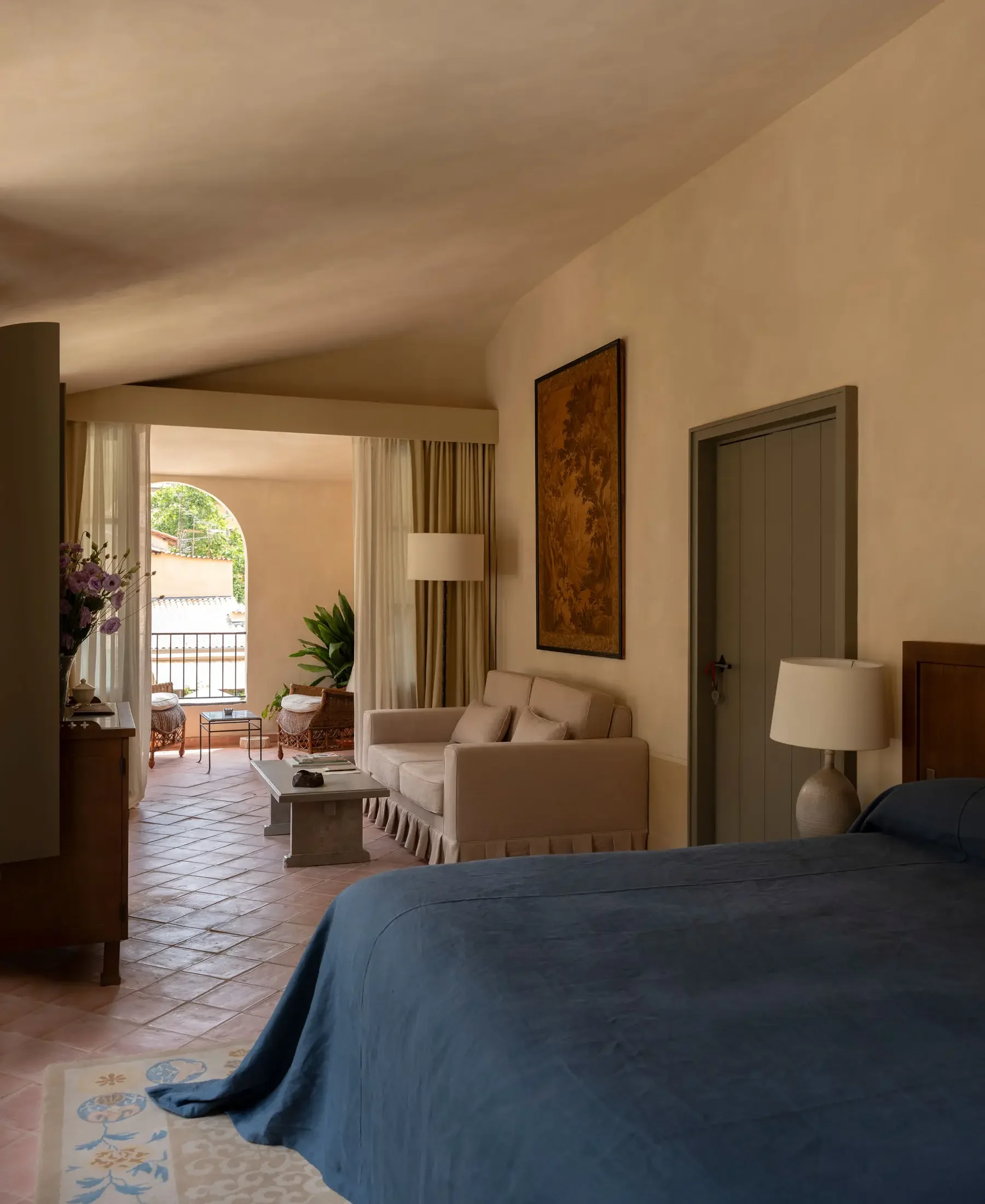
Hôtel du Couvent, Nice: The Monastic Minimalism
One of their most spiritual projects. In Old Nice, Festen participated in transforming an actual convent into a sanctuary of quiet luxury. Scrupulously respecting the original vocation of the place, the agency worked with an austere palette: antique floor tiles, lime-washed walls, carved wood. The acoustics are exceptional, and the space invites total introspection, redefining the standards of hotel wellness.
For whom? Those for whom absolute silence and history are the true modern luxuries.
[Find silence and serenity at Hôtel du Couvent, Book your stay here]
4. Why choose a suite signed by Festen?
At La Suite, our mission is to align your psychological needs with the architecture of your environment. Booking a room designed by Charlotte de Tonnac and Hugo Sauzay is not a trivial choice. It is an act of personal curation.
You should choose Festen if you suffer from "visual fatigue" linked to traditional hospitality. Their suites act as genuine decompression chambers. The muffled acoustics of their thick carpets, the visual temperature of their lighting and the tactility of their corduroy velvets have a measurable biometric effect: they lower your heart rate.
By choosing a Festen suite, you are not renting a space for social representation. You are renting a shield against the agitation of the outside world. This is the very essence of modern luxury: to possess, for a few nights, a space where beauty doesn't need to shout to be heard.
5. Frequently Asked Questions (FAQ)
1. What characterizes Festen's architectural style?
Festen's style is defined by "Residential Understatement." It is interior architecture that eschews hotel standards to recreate the intimacy of a private home. Its markers are raw materials (wood, stone, velvet), neutral and organic tones, sourced or custom-made furniture with vintage inspiration, and masterful work with indirect lighting.
2. Why is the Festen duo so sought-after in luxury hospitality?
The elite of travelers is tired of ostentatious and standardized luxury. Festen answers this need for meaning and authenticity. They are sought after because they respect the building's history and local culture, offering spaces with "a soul" rather than mere luxury hotel rooms.
3. What is the best Festen hotel for a romantic getaway in Paris?
Château Voltaire is unquestionably the best choice for a romantic escape. With only 32 rooms, its confidential atmosphere, its intimate restaurant (L'Émil) and its cocoon-like wooden and upholstered rooms, it offers a rare level of intimacy in the heart of Paris's 1st arrondissement.
4. How does Festen choose its materials?
Charlotte de Tonnac and Hugo Sauzay refuse smooth and industrial materials. They favor materials that patina over time and live: unlacquered brass that will oxidize slightly, solid oak that will mark, porous terracotta. They seek a "tactile truth" that anchors the traveler in the present.
5. How can I book a specific suite designed by Festen?
To ensure that you stay in the room that perfectly matches the architect's vision, we recommend using the La Suite booking links featured in this article. If you have specific needs (lighting, workspace, acoustics), our virtual concierge via chat is at your disposal to guide you toward the ideal room within these establishments.
More from the Journal

Perth and Broome, Mapping Coastal Luxury in the West
Australia's western coast remains a discreet territory for luxury hospitality. Between the mineral verticality of Perth and the colonial elegance of Broome, four exceptional addresses reveal how contemporary architecture dialogues with raw materials, the harsh desert light, and the infinite horizons of the Indian Ocean.
BY Jules Peulet

New Zealand / Design & Architecture: suites where architecture dialogues with landscape
In New Zealand, hotel architecture reinvents itself through a radical vision: the suite becomes an instrument for observing the great southern landscape. From raw wood to mineral facades, discover how four exemplary establishments create a dialogue between interior space and the volcanoes, lakes and mountains of the South Island.
BY Jules Peulet

Megève / Design & Architecture: Wood and Stone as the Signature of Luxury Suites
In Megève, four prestigious establishments redefine the language of the contemporary chalet by making raw materials their signature. Larch, local stone and refined linen become the protagonists of an architecture where each texture tells the story of the mountain.
BY Jules Peulet