
The Ultimate Guide to the Most Beautiful Luxury Suites in London | LaSuite.com
BY Jules Peulet

An exceptional selection of the most beautiful luxury suites in London, exploring the duality between the historical grandeur of townhouses, refined contemporary volumes and the art of British residential living par excellence.
London does not simply offer luxury accommodation; it defines the very concept of refined "home away from home." For the demanding global traveler, the British capital represents an unparalleled playground of prestige, where centuries of aristocratic heritage flow seamlessly with cutting-edge architectural ambition. Yet within a metropolitan market saturated with standard high-end hotel room keys, a profound spatial distinction has emerged. To truly experience London at its highest level, one must look beyond the standard deluxe room and penetrate the extended volumes of its masterfully designed signature suites.
At La Suite, we believe an elite suite must function as a private sanctuary, a space where volume, design authenticity, and spatial fluidity take absolute precedence over generic opulence. This guide serves as your architectural compass to navigate among London's finest hotel assets. From the heavy solid oak doors of historic townhouses in Mayfair to the vertiginous glass structures overlooking the Thames, we map the ultimate spatial rewards the city offers, specifically tailored to those who consider design an essential layer of the travel experience.
Discover our selection of the best suites in London !
1. Architectural DNA and Spatial Philosophy
The architectural framework of London's ultra-luxury hotel suites is defined by a captivating aesthetic tension. The city's hotel landscape divides sharply into two distinct philosophies: the preservation of classical Georgian and Edwardian heritage on one side, and the embrace of vertiginous, highly technological modernism on the other. For interior architects, the ultimate achievement is not simply to decorate a room, but to orchestrate a layout that respects these structural boundaries while maximizing the emotional resonance of the volume.
Within the historic West End enclaves, the structural shell is anchored by traditional British craftsmanship. Here, suites are characterized by their deeply framed sash windows, their soaring four-meter-high ceilings, and their original open fireplaces framed in rich statuary marble or sculpted limestone. The materials chosen for these spaces reflect an ethic of enduring luxury. Interior decorators drape walls in hand-woven silk damask, lay solid walnut flooring covered with bespoke Axminster carpets, and integrate custom millwork showcasing patinated bronze and button-tufted mohair velvet.
This classic heritage has been brilliantly reimagined by a select group of visionary design studios. The late David Collins and his eponymous studio (David Collins Studio) left an indelible mark on London's grand hotels, notably at the Berkeley and the Connaught. His signature style, characterised by masterful use of bespoke tones, such as "Collins Blue", and architectural joinery of meticulous complexity, infuses classical British proportions with refined modernism and bespoke craftsmanship.
Similarly, Martin Brudnizki has brought grand theatrical opulence to historic properties such as The Dorchester, using layered textures, bold colour palettes and carefully curated antiquarian lighting to create spaces that feel historically anchored whilst remaining highly cinematic.
Conversely, the contemporary weight of London's design evolution is carried by designers championing a more residential and discreet aesthetic. Tony Chi undertook transformative work at Rosewood London that strips away rigid formality to introduce a deeply layered and tactile residential experience. Chi combines materials from England's rich heritage (such as hand-hammered copper, monolithic marbles and fine leathers) with modern spatial arrangements that emphasise fluid transitions between rooms.
Whether a meticulously preserved heritage drawing room or a refined glass and steel penthouse, this dialogue between historical gravity and contemporary spatial fluidity forms the foundational DNA of London's elite suite market.
2. Neighbourhood Mapping & Ambiance
London is a sprawling metropolis composed of distinct urban villages. Each neighbourhood possesses its own strict architectural vernacular, social codes and stylistic energy. Selecting a suite represents an intentional alignment with one of these unique geographic identities.
Mayfair : The Epicentre of Sovereign Heritage
Mayfair remains the undisputed capital of "Old Money" discretion and aristocratic prestige. Bounded by Hyde Park and Regent Street, this enclave is defined by impeccable red-brick Edwardian architecture and grand Georgian townhouses. Staying in a signature suite here, such as those at Claridge's, The Connaught, or The Dorchester, means immersing yourself in an atmosphere of discreet, hushed luxury.
The streets are lined with private art galleries, exclusive gentlemen's clubs, and hidden courtyard gardens. The ambiance is unhurried, highly structured, and intensely private, appealing to traditional purists, global CEOs, and families who demand complete anonymity and impeccable old-world service.
Knightsbridge & Belgravia : Residential Opulence & Haute Couture
Directly southwest of Mayfair lie Knightsbridge and Belgravia, neighborhoods characterized by their monumental white-stuccoed Regency terraces and grand residential squares. This area seamlessly blends ultra-affluent residential living with international haute couture. Suites in this zone, notably at The Berkeley or the Mandarin Oriental Hyde Park, offer views over the verdant canopies extending from Hyde Park or Belgravia's manicured private gardens.
The energy here is cosmopolitan, refined, and fashion-focused. It is the premier choice for travelers seeking immediate access to the luxury flagships of Sloane Street while enjoying the serene and secure atmosphere of London's most exclusive residential postcodes.
Soho & Covent Garden : The Creative Heart & Theatrical Energy
For those who reject traditional palatial formality, Soho and Covent Garden offer a vibrant and hypercreatative alternative. This neighbourhood is a labyrinth of historic theatrical streets, narrow alleyways and repurposed industrial warehouses. Accommodations like The Londoner or Ham Yard Hotel capture this eclectic and artistic energy.
The interior aesthetic pivots towards bold contemporary art, mid-century furniture and playful design patterns. The atmosphere here is social, dynamic and cultural, attracting designers, artists and media executives who wish to be positioned at the absolute heart of London's culinary innovations, West End theatres and cutting-edge nightlife.
The City & Shoreditch : Corporate Power Meets Industrial Chic
Heading eastward, the architectural landscape shifts dramatically. The City of London represents the historic financial heart, where Roman walls lie beneath vertiginous glass skyscrapers. Further north, Shoreditch infuses this financial power with a raw industrial loft aesthetic. Properties such as Pan Pacific London or the sprawling complex of The Ned (housed within a monumental Edwin Lutyens-style bank dating from 1920) embody this area.
The suites here display massive proportions, floor-to-ceiling bay windows and clean, geometric lines. The atmosphere is fast-paced, modern and highly functional, making it the ideal base for tech startup founders, finance magnates and modern design enthusiasts.
South Bank & Westminster : The Thames's Cinematic Corridor
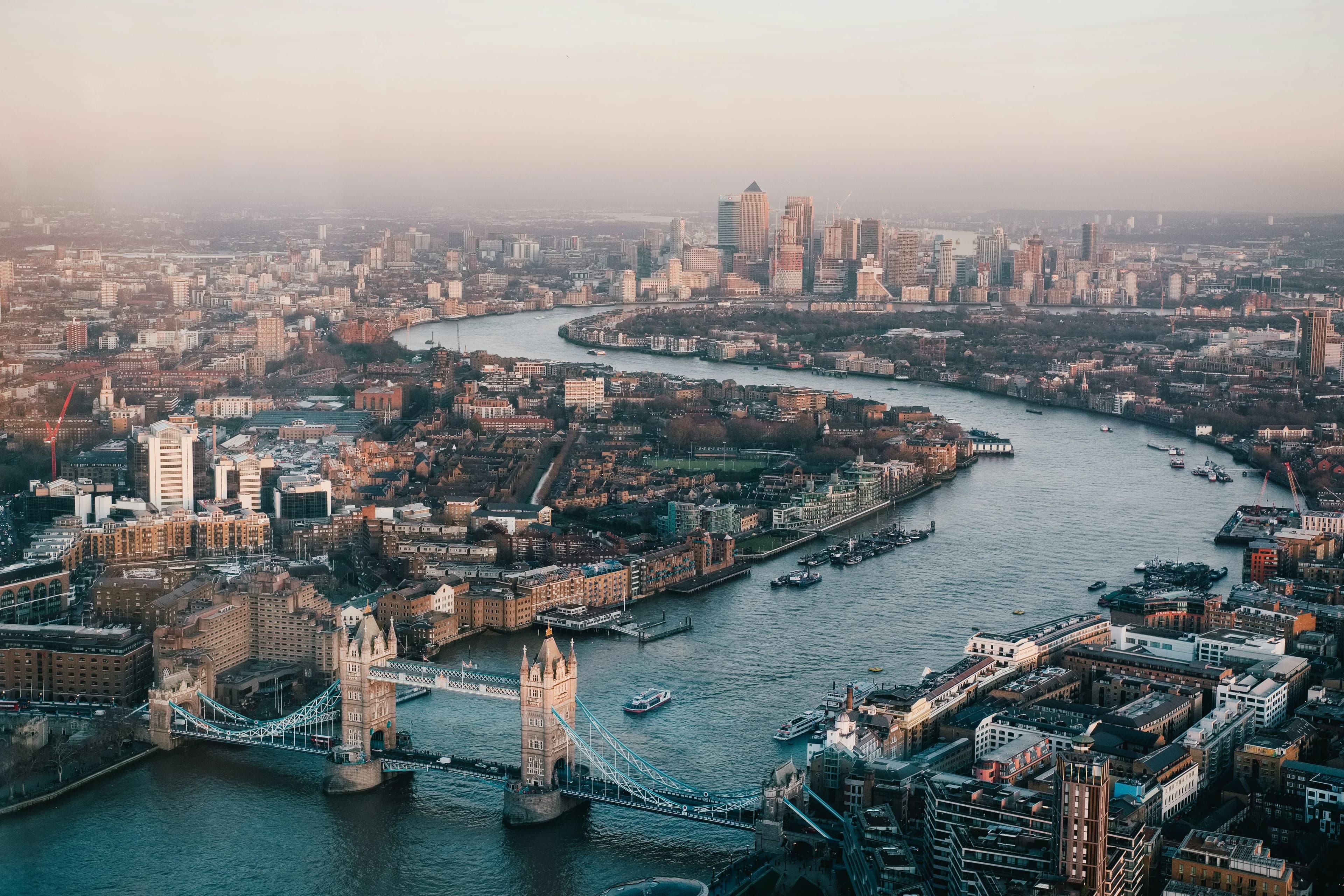
The Thames corridor offers the most dramatic and memorable panoramas in the United Kingdom. Stretching from Westminster to the South Bank, this area is defined by its immediate proximity to the river and iconic monuments such as Big Ben, the Houses of Parliament and the London Eye.
Suites of this caliber, ranging from the historical grandeur of Corinthia London to the aerial verticality of Shangri-La The Shard, are selected for their cinematic impact. The atmosphere is monumental and visual, offering sweeping and unobstructed views of London's evolving skyline, making them a favorite for high-profile international travelers seeking a spectacular visual connection to the city.
Discover our selection of the most beautiful Penthouses in London.
3. Residential Layouts & Volumes
The defining boundary between a premium hotel room and an elite suite in London is the transition from temporary accommodation to a true private domain. In a city where real estate is exceptionally limited, renting a suite represents the acquisition of horizontal and vertical volume, specifically designed to emulate the flow of an authentic British residence.
A prime example of this layout philosophy is the maisonette or multi-story townhouse suite. Many of London's most prestigious properties offer suites with their own discreet private entrances at street level, completely bypassing the main hotel lobby. These spaces are designed as multi-story residences, connected by elegant private staircases.
At the lower levels, grand reception rooms feature traditional sash windows that flood the space with natural light, alongside formal dining rooms accommodating ten to twelve guests. The upper levels are reserved exclusively for principal bedrooms and spacious marble bathrooms, ensuring complete separation between reception space and private rest areas.
For families relocating or corporate entities requiring extended stays, these residential arrangements are enhanced by integrated butler pantries and service kitchens. These secondary zones feature separate service elevators and independent access points, allowing personal chefs and dedicated valets to prepare meals, orchestrate English service dining, or manage laundry without ever encountering residents in the primary living areas.
Furthermore, many historic properties possess deep structural wings that can be entirely sealed via secure double-vestibule doors, connecting three or four independent suites into a single, self-contained ensemble for absolute discretion and operational security.
4. The Lifestyle Ecosystem: Gastronomy and Haute Couture
An elite suite in London serves as the nucleus of a highly sophisticated lifestyle ecosystem, seamlessly connecting world-class culinary artistry to the world's most exclusive retail establishments.
Culinary integration within London's finest suites elevates in-room dining to an unprecedented level of execution. Establishments featuring Michelin multi-starred chefs, such as Hélène Darroze at the Connaught or Jean-Georges at the Connaught, treat their signature suite salons as extensions of their main dining rooms. Guests may arrange private dinners where tasting menus are prepared in-suite by dedicated sous chefs and paired with rare vintages selected directly from the hotel's historic cellars by the head sommelier.
The traditional British Afternoon Tea ritual is entirely reinvented, served in the intimacy of the suite's salon by a dedicated butler in white gloves, accompanied by live harp or piano music arranged upon request.
Simultaneously, the geographic proximity of these suites to Bond Street in Mayfair, Mount Street, and the historic couture houses of Savile Row unlocks hyper-private shopping experiences. For occupants of London's premier suites, shopping is an entirely off-market affair. Through longstanding institutional partnerships, the master tailors of Savile Row bypass their traditional showrooms to conduct private consultations, fabric selections, and fittings directly within a suite's dressing room.
Similarly, fine jewellery houses on New Bond Street regularly transport rare archives, never before released, and significant timepieces directly and securely into a client suite's private salon, enabling an entirely relaxed and highly secured acquisition experience away from public view.
5. The Cultural Canvas and Historical Anchors
London's finest hotel suites function as living cultural vaults, meticulously designed to connect the traveller directly to the rich artistic fabric of the United Kingdom. The interiors of these spaces are profoundly curated, frequently displaying museum-calibre art collections that reflect both historical British dominance and contemporary global perspectives.
It is common to discover suites adorned with original post-war British art, rare lithographs and sculptures commissioned in partnership with major institutions such as the Henry Moore Foundation or prestigious local Mayfair galleries. During major cultural milestones, such as the annual Frieze London art fair, hotels regularly collaborate with leading curators to circulate avant-garde installations throughout their signature suites, transforming living spaces into highly exclusive private presentation salons for international collectors.
Beyond the physical artworks on the walls, staying in an elite London suite grants access to the keys for unlocking the city's most closely guarded cultural institutions through privileged off-market access arranged by the hotel's executive concierge networks:
After-hours museum access: Private candlelit tours at midnight of the British Museum or the National Gallery, guided by senior curators after public closing.
Theatre and opera privileges: Access to completely sold-out performances via permanent private boxes belonging to the hotel at the Royal Opera House in Covent Garden or the Royal Albert Hall.
Archive consultation experiences: Private access to hidden historical archives, including consultation of rare manuscripts and royal collections inaccessible to the general public.
6. The Aesthete's Intuition (Our Signature Critique)
A rigorous and uncompromising architectural critique of London's ultra-luxury suite landscape reveals that the city's unique historical layout frequently introduces significant operational challenges. The romantic allure of staying in a century-old heritage building often comes with structural compromises liable to directly impact modern functional comfort.
The primary issue stems from strict conservation regulations imposed by bodies such as English Heritage. Many flagship hotels in Mayfair and Belgravia occupy Grade II listed structures. Under these laws, original timber sash windows with single glazing cannot be replaced with modern acoustic double-glazing. Whilst hotels employ interior secondary glazing systems, low-frequency sound transmission remains a persistent shortcoming. The relentless high-pitched wailing of London emergency sirens and the rumble of black cabs can easily penetrate the heavy velvet curtains of lower-floor suites overlooking major thoroughfares.
Secondly, the architectural phenomenon of the basement level represents a major spatial hazard in London hospitality. To maximise usable floor space within historic townhouses, certain hotels develop expansive multi-room suites extending into the basement level (effectively a highly refined cellar). Although these spaces often possess impressive horizontal footprints, they suffer from significantly lower ceilings and a grave deficit of natural light. Despite advanced daylight artificial lighting systems, these lower levels can appear cavernous and dark, particularly during London's notoriously overcast winter months.
Finally, the integration of modern mechanical systems within ancient brick structures often results in functional inconsistencies. Guests may find that despite palatial premium rates, water pressure in heritage bathrooms can be erratic during peak morning hours due to plumbing limitations within historic conduits. Moreover, centralised air-conditioning systems integrated into plaster ceilings can produce notable ambient noise, meaning that maintaining an impeccable thermal environment occasionally comes at the expense of absolute acoustic silence.
In final analysis, selecting an elite suite in a London hotel is an art of meticulous curation that demands balancing historical romance with structural reality. The city's finest accommodations offer far more than mere shelter; they provide an immersive, residential gateway to the absolute pinnacle of British craftsmanship, culinary mastery, and cultural exclusivity. Whether your design preference leans towards the timeless walnut-panelled drawing rooms of Mayfair or the pared-back modernism and high altitude of the Thames Corridor, the right suite possesses the power to entirely redefine your experience of the capital. By understanding the unique spatial DNA of London's urban villages and recognising the structural nuances of its historic buildings, the discerning traveller can look beyond the veneer of generic luxury to secure a private sanctuary that truly feels like home away from home.
If you would like to view more suites, discover all our suites in London!
Architectural FAQ & Travellers
What exactly differentiates a London "Townhouse/Maisonette Suite" from a standard Palace Suite?
The fundamental difference lies in vertical structure and street access. A traditional Suite Palace is situated on a single horizontal floor within the hotel's main building, accessible via the central hall and elevators. A Suite Townhouse or Maisonette mimics the architecture of a private residential home, spread across two or three vertical levels connected by an internal staircase. Most importantly, these suites often offer a private entrance door opening directly onto the street or a quiet alley, allowing high-profile guests to bypass the hotel's public areas entirely.
How do seasonal events and London's social calendar affect rates and availability of luxury suites?
The London suite market experiences extreme compression during specific seasonal windows. Peak periods are late spring (aligned with the Chelsea Flower Show and Wimbledon in June) and autumn (driven by the Frieze London art fair in October). During these periods, multi-bedroom suites and penthouses are booked up to a year in advance by international delegations, luxury fashion brands and ultra-high-net-worth families, causing significant rate increases. The optimal booking window for these periods is 6 to 8 months in advance.
Are higher floors always preferable when booking an elite suite in London?
Not necessarily. In modern glass structures such as The Shard or contemporary City developments, upper floors are highly sought after for their panoramic, unobstructed views of the skyline. However, in historic properties in Mayfair, Belgravia and Knightsbridge, it is often the reverse. The finest architectural features, including the highest ceilings, finest proportions and original marble fireplaces, are traditionally found on the ground, first and second floors (the historic reception levels), whilst upper floors beneath the roofline were historically staff quarters and may feature significantly lower ceilings and small dormer windows.
More from the Journal

Cape Town: The 5 signature suites with Atlantic views
In Cape Town, five exceptional suites redefine the relationship between space, light, and ocean. Between refined architecture and exceptional geography, these temporary residences transform the view into the primary material of luxury.
BY Jules Peulet

Dolomites: Five Exceptional Suites for Alpine Winter
Limestone, raking light and mineral silence: in winter, the Dolomites offer a setting of rare density, which a few addresses have known how to translate into singular architectural experiences. The Suite by La Suite selects five suites that make the cold season not a constraint, but a raw material.
BY Jules Peulet

Rio de Janeiro: Three Addresses, Three Definitions of Exceptional Stays
Between the historic prestige of Copacabana, the international excellence of a five-star hotel facing the Atlantic, and the confidentiality of a guesthouse perched in the heights, Rio de Janeiro offers three distinct geographies of luxury. LaSuite deciphers each address to guide your choice according to your traveler profile.
BY Jules Peulet