






World
Hotels with luxury suites in the world
The geography of high-end suite travel is more nuanced than any single ranking can capture. Different regions define suite-level luxury through entirely different lenses, shaped by local architectural traditions, cultural expectations, and the specific demands of their most discerning guests.

Africa
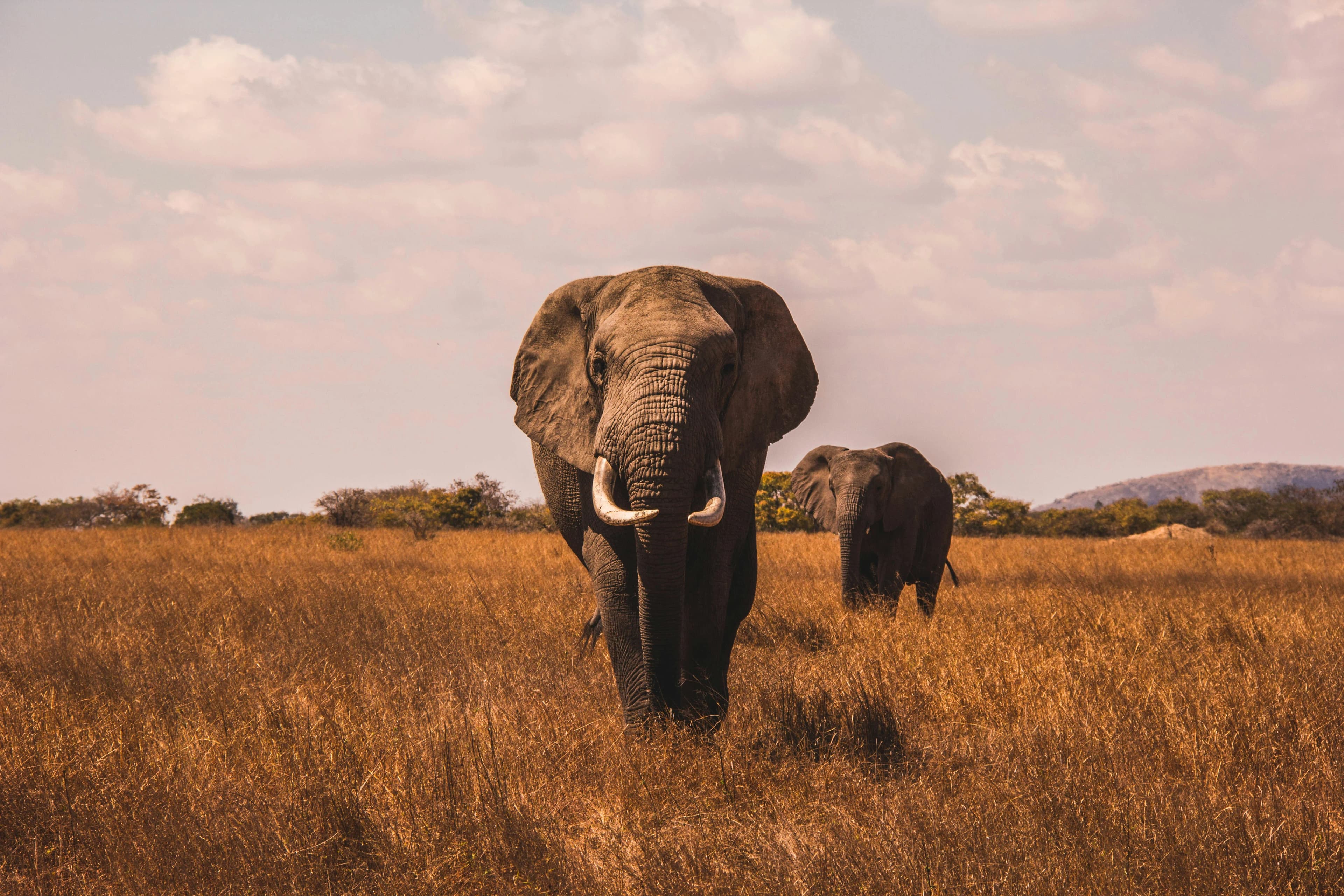
11 destinations / 410 hotels
Asia
27 destinations / 945 hotels
Australia/Pacific
4 destinations / 248 hotels
Caribbean
14 destinations / 8 hotels
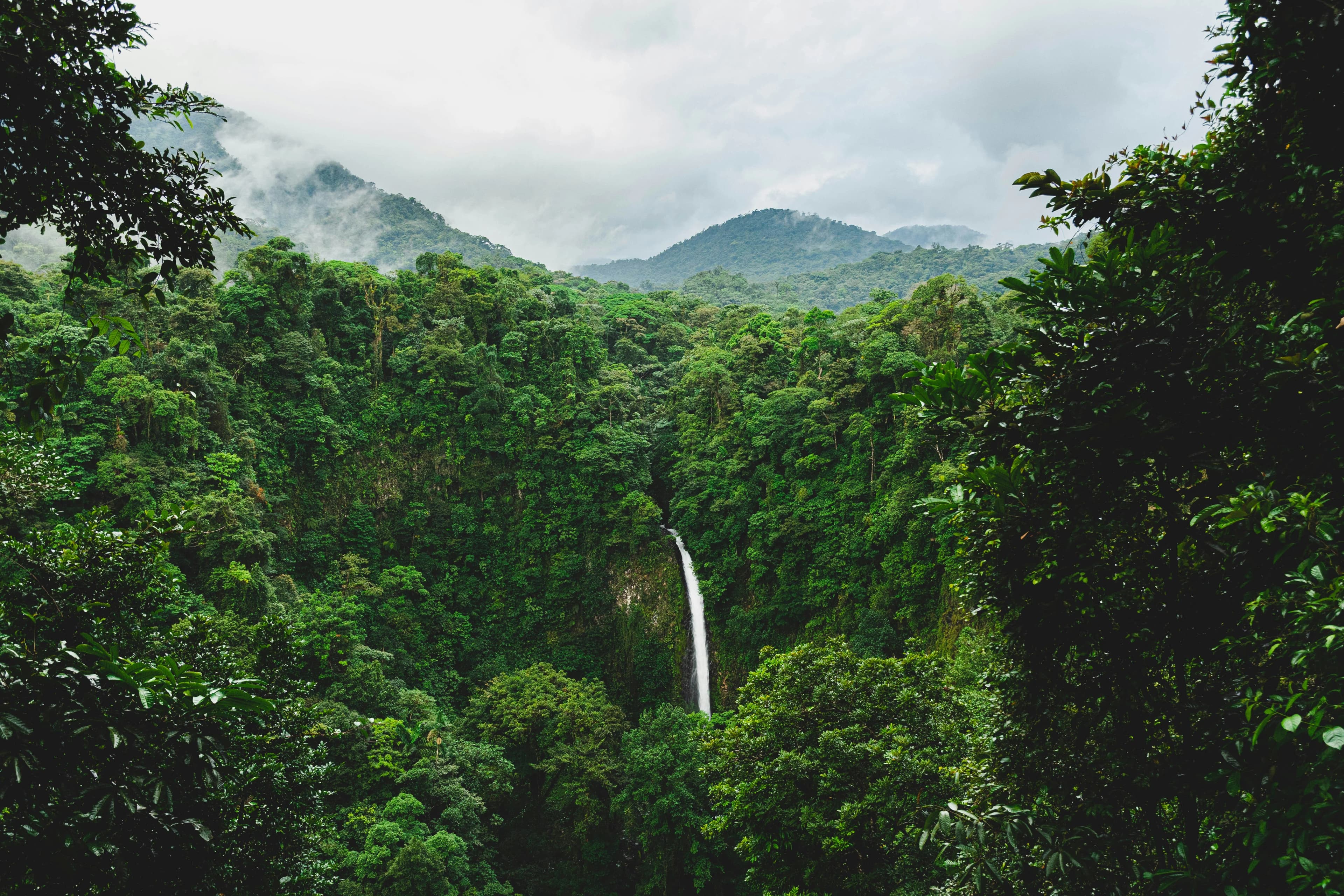
Central America
6 destinations
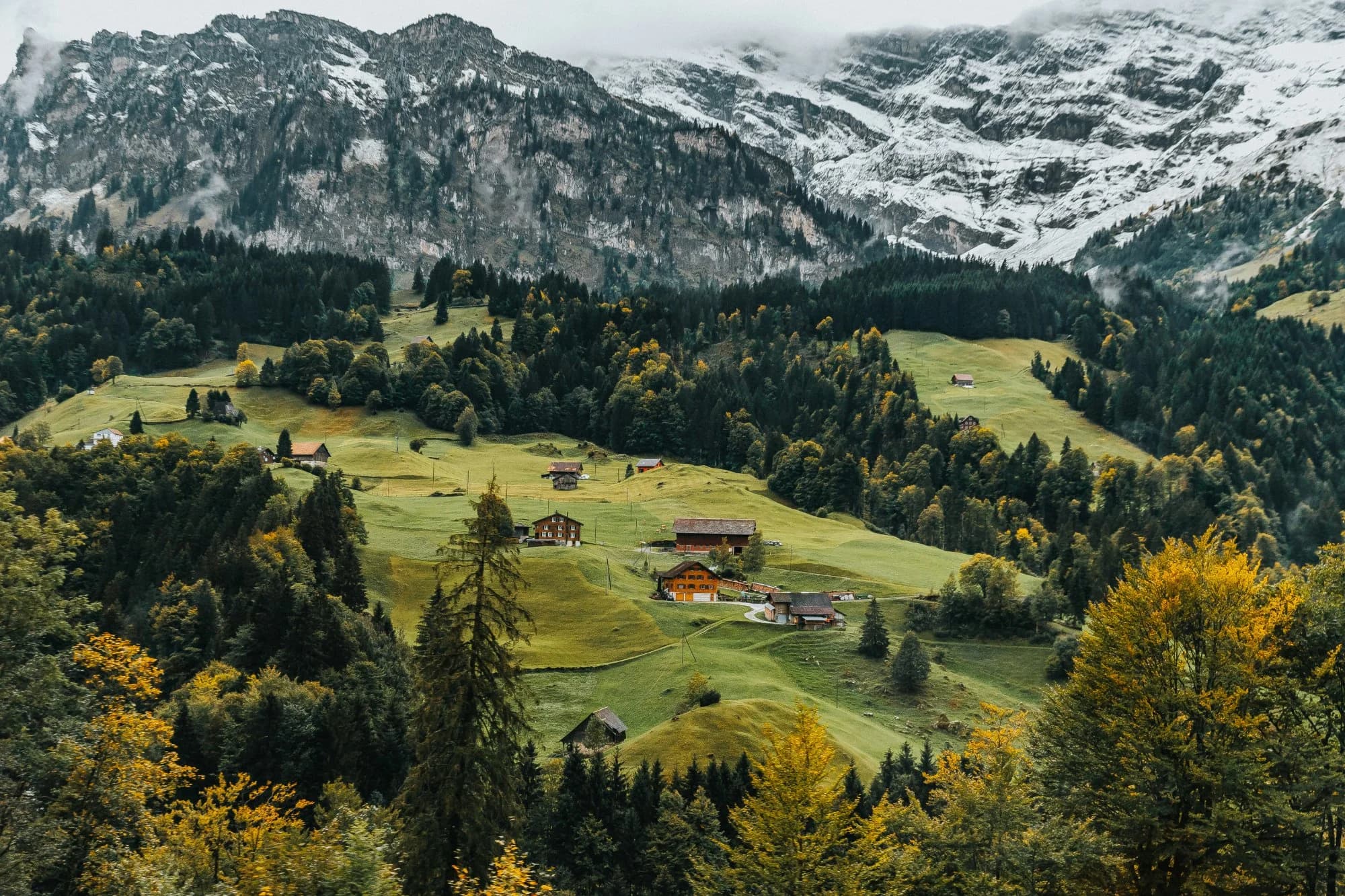
Europe
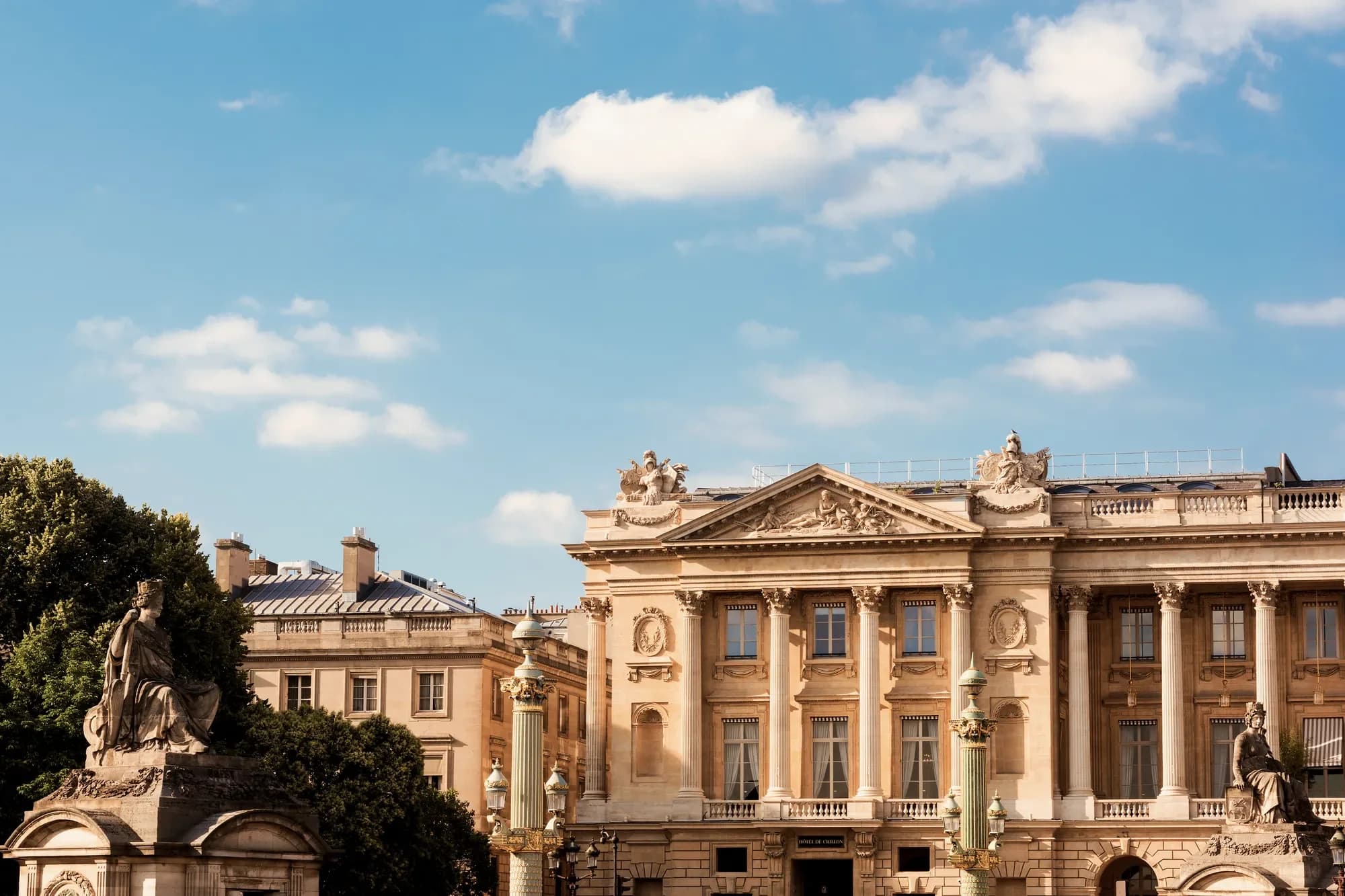
42 destinations / 2456 hotels

Middle East
10 destinations / 90 hotels

North America
2 destinations / 640 hotels
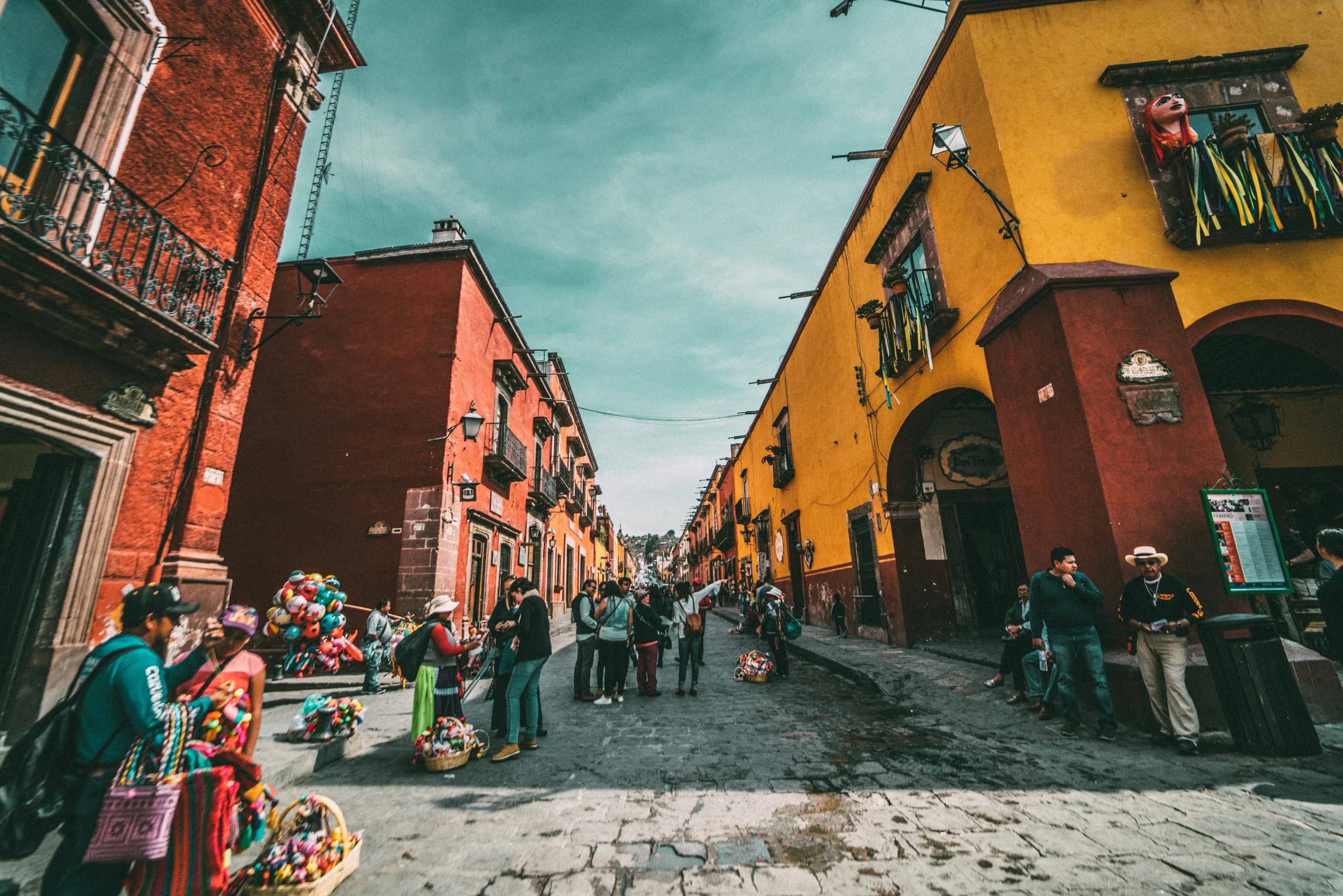
South America
5 destinations / 103 hotels
Our latest articles about World

New York / December: Inside the Most Coveted Suites
December transforms Manhattan into a competitive arena for access to the most exclusive suites. Between structural scarcity and exponential demand, luxury hotels reveal the mechanisms governing seasonal luxury.
BY Jules Peulet

Italy: When Luxury Embraces Territorial Respect
In Italy, a new generation of exceptional establishments is reinventing high-end hospitality without compromising the environment. Between bioclimatic architecture, vernacular materials and aesthetic restraint, these singular refuges prove that refinement and territorial responsibility are not antagonistic.
BY Jules Peulet

Tokyo: Top 5 Suites with Views of the Tokyo Skyline
Between vertiginous urban density and perspectives on Mount Fuji, five establishments redefine the luxury hotel experience in Tokyo. Each offers a distinct hierarchy of viewpoints, measurable in square meters of window and the quality of captured light.
Discover all our suites in Tokyo.
BY Jules Peulet
Where in the world are the finest luxury hotel suites?
In Europe, the most sought-after luxury hotel suites tend to occupy historic structures: converted aristocratic palaces in Rome, Haussmann-era buildings in Paris, or Edwardian townhouses in London. The premium here is placed on craftsmanship, provenance, and a particular density of cultural context that newer constructions cannot replicate. France's official Palace designation (distinct from the five-star rating) identifies a small number of properties that meet the French government's highest hospitality standards, and suites within these hotels occupy a category of their own.
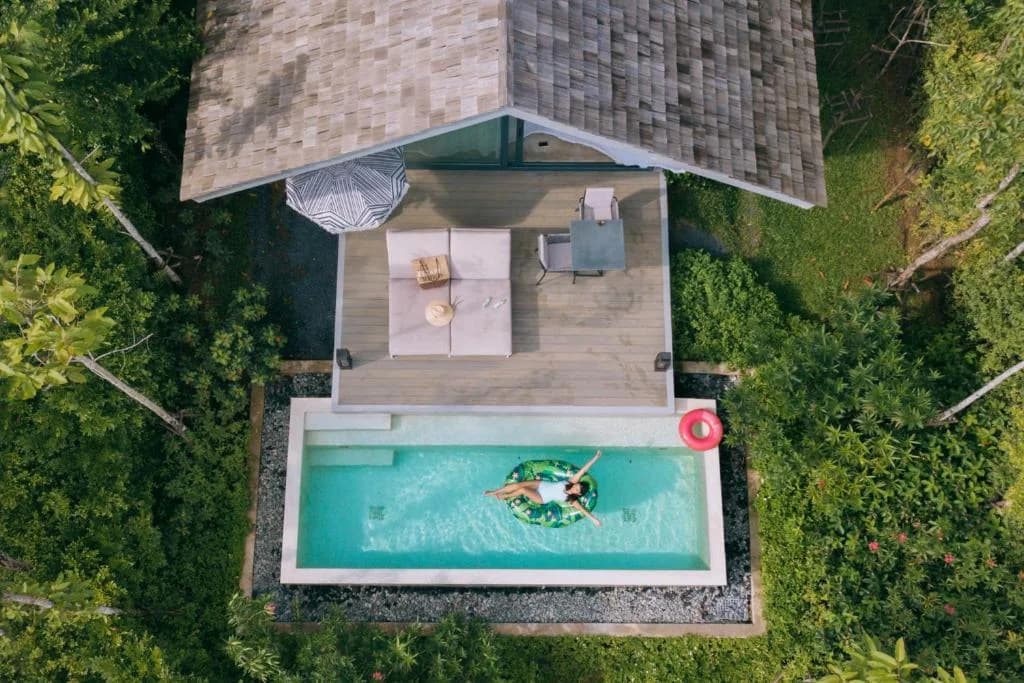
In Asia, the suite experience often privileges precision over grandeur. Japanese Ryokan suites, for instance, operate on principles of spatial restraint and material honesty that Western luxury hotels rarely achieve. In Southeast Asia, particularly in Bali, Thailand, and the Maldives, the suite format frequently dissolves into private villa architecture: individual pavilions with dedicated plunge pools, open-air bathrooms, and direct access to landscaped grounds or lagoons.
The Middle East, led by properties in Dubai and Abu Dhabi, has developed its own suite typology: vast floor areas, panoramic city or desert views, and an emphasis on technological integration alongside traditional Arabic design elements. In the Americas, the luxury suite landscape spans the full range, from pared-back mountain lodges in Patagonia and Colorado to ocean-facing penthouses in New York, Miami, and the Caribbean.
When to travel for the best luxury suite experience globally
Timing a trip around suite availability and seasonal conditions requires destination-specific knowledge. As a broad principle, the world's most in-demand luxury hotel suites at flagship properties fill earliest: during major cultural events, fashion weeks, film festivals, and public holidays in each region.
In Europe, the summer months (June through August) represent peak demand, particularly for coastal suites in the Mediterranean and for properties in Paris and London during the height of the tourist season. Spring (April and May) and early autumn (September and October) offer a more considered travel window: favourable climate, lighter crowds, and greater suite availability at slightly more accessible rates.
For tropical destinations, the dry season is almost universally the premium period. In the Maldives, Bali, and coastal Thailand, suites during peak dry months are often reserved months in advance. In Japan, the cherry blossom season (late March to mid-April) and the autumn foliage period (October to November) drive intense demand for Ryokan suites and high-end urban hotel rooms alike.
For the Southern Hemisphere, including Patagonia, South Africa, and Australia, the European summer aligns with winter locally, which can represent an off-peak window with distinct natural conditions that some travelers actively seek.
How luxury hotel standards differ across global regions
Understanding what a luxury suite actually delivers varies considerably by geography. The French Palace label is among the most rigorous formal designations in global hospitality, requiring properties to meet criteria across architecture, service ratios, spa facilities, and food and beverage offerings. Italy has no direct equivalent, but the historic Grand Hotel tradition and the emergence of the Masseria format (converted farmhouse estates in Puglia and Basilicata) represent distinct local expressions of suite-level hospitality.
Japan's Ryokan tradition operates on entirely separate principles. A premium Ryokan suite, known as a special room or suite within an inn, typically includes private onsen (hot spring bath) access, multi-course kaiseki dining served in-room, and a highly ritualised form of service that is culturally specific and deeply considered. The spatial language is different: low furniture, tatami flooring, shoji screens, and an intentional absence of visual clutter.
In the United States, luxury hotel suites are generally defined by floor area, view, and technological amenity. The concept of the penthouse suite, occupying the top floor of an urban tower with 360-degree views, is particularly developed in New York, Chicago, and Los Angeles. In the Caribbean and Mexico, all-inclusive luxury resorts have developed their own suite category: private swim-up suites, overwater bungalows, and butler-serviced beach villas.
Across all regions, the most important differentiator between a premium hotel room and a genuine luxury hotel suite is the quality of the spatial experience: the relationship between interior volume, natural light, private outdoor space, and the sense that the suite was designed for extended habitation rather than overnight transit.
How to choose the right luxury suite for your global trip
Several practical considerations apply regardless of destination. The first is scale. Suite categories vary widely even within a single property, and the difference between an entry-level suite and a signature suite at the same hotel can be considerable in terms of floor area, view orientation, and included services. Understanding the internal hierarchy of a property's suite offerings is essential before committing.
The second consideration is architectural character. Some travelers prioritise historic building stock: a suite within a converted palace or a colonial-era property offers a material and atmospheric specificity that contemporary hotels cannot replicate. Others prefer the precision of purpose-built contemporary architecture, where spatial planning has not been constrained by existing structural conditions.
Third, assess the relationship between the suite and its setting. A suite in an urban property should be evaluated on its relationship to the city: floor height, view corridor, access to private terraces or rooftop spaces. A suite in a coastal or landscape setting should be assessed on its physical proximity to the natural environment and on how the architecture mediates that relationship, through private pools, open-sided pavilions, or direct beach access.
Finally, consider service architecture. The ratio of staff to guests, the availability of a dedicated suite concierge or butler, in-room dining quality, and the coherence of the full guest experience are all factors that separate the best luxury hotel suites from those that merely occupy a large floor plan.
Why a curated selection by La Suite changes how you choose
The global market for luxury hotel suites is large and inconsistently documented. Hotel marketing is rarely a reliable guide to the actual quality of the suite experience, and aggregator platforms are not built to discriminate at the level of detail that matters to a traveler choosing between a handful of genuinely exceptional options.
La Suite approaches this differently. Each property in the selection has been evaluated on the specific criteria that matter most to suite-level travelers: spatial quality, design coherence, service depth, and the distinctiveness of the experience relative to its location. The editorial process removes noise and surface-level prestige, focusing instead on properties where the suite itself is the reason to be there.
Across 123 properties worldwide, the La Suite selection covers the full range of suite typologies and geographies, from urban penthouses to island villas, from historic European palaces to contemporary Asian design hotels. The value is not in the volume of options, but in the confidence that each one has been included for a specific and articulable reason.
Frequently asked questions
What is considered a luxury hotel suite at the global level?
A luxury hotel suite is generally defined by a combination of floor area, spatial configuration, service provision, and design quality that places it above a standard hotel room. At the global level, the term encompasses a wide range of typologies, from penthouse suites in urban towers to private villa suites in tropical resort settings. The common thread is that the suite is designed for extended habitation, offering a distinct living experience rather than simply a larger sleeping space.
Which countries have the highest concentration of luxury hotel suites?
France, the United States, the United Arab Emirates, Italy, Japan, Thailand, and the Maldives consistently account for a high proportion of the world's most sought-after luxury hotel suites. Each of these destinations has developed a distinct suite culture, shaped by local architectural traditions and the expectations of their most discerning international guests. Within Europe, France's Palace designation identifies a small number of properties that operate at the absolute apex of the hospitality market.
How far in advance should I book a luxury suite at a top global hotel?
For signature suites at flagship properties, particularly during high-demand periods such as major cultural events, fashion weeks, or peak seasonal windows, advance booking of three to six months is a reasonable minimum. Some of the most sought-after suites at properties in Paris, the Maldives, or Tokyo can fill a year or more ahead for specific dates. Planning well in advance and working with a curated platform significantly reduces the risk of finding preferred options already committed.
What is the difference between a hotel suite and a private villa within a hotel property?
A hotel suite typically sits within the main building of a property, offering a multi-room configuration with a defined living area, bedroom, and bathroom. A private villa, as offered by many resort properties in Bali, the Maldives, and the Caribbean, is a freestanding structure within the hotel grounds, providing complete spatial separation from other guests, often with a private pool, outdoor terrace, and dedicated staff. Both fall within the luxury hotel suite category, but the villa format prioritises privacy and outdoor living over the amenities of the main hotel building.
Are there formal quality designations for luxury hotels that I should look for when choosing a suite?
Several formal designations exist at the national or international level. France's Palace label is among the most rigorous, assessed by a government body against a detailed set of criteria. In Portugal, the Pousada classification identifies historic properties converted for hospitality use. Forbes Travel Guide and Leading Hotels of the World provide internationally recognised frameworks, though their methodologies differ from national designations. Understanding these labels helps contextualise a property's positioning, but the quality of the suite itself requires evaluation beyond certification alone.
What should I look for in a luxury hotel suite beyond floor area?
Floor area is a starting point, not a conclusion. The most important factors include the quality and orientation of natural light, access to private outdoor space such as a terrace or plunge pool, the coherence of the interior design, the ratio of dedicated service staff to suite guests, and the relationship between the suite and its broader setting. In urban properties, view corridor and floor height are critical. In resort settings, the physical relationship to the landscape or coastline defines much of the experience.
How does suite pricing vary across different global regions?
Suite pricing reflects a combination of land costs, operational complexity, brand positioning, and seasonal demand in each region. Urban penthouse suites in cities such as New York, London, and Hong Kong typically command significant premiums due to real estate context and the density of high-end demand. Island resort suites in the Maldives or the Caribbean carry premium pricing partly because of the logistical complexity of operating in remote locations. In contrast, some European historic properties, particularly in Italy and Portugal, offer exceptional suite experiences at price points that remain relatively accessible within the luxury segment.
What types of traveler typically stay in the world's finest hotel suites?
The profile is broad and does not conform to a single archetype. Business travelers requiring space for both rest and work, families seeking privacy and multi-room configurations, couples marking significant occasions, and solo travelers who treat the suite itself as the destination are all regular suite guests. What these travelers share is a preference for deliberate accommodation choices, an understanding that the quality of space directly affects the quality of the overall trip, and a willingness to invest in experiences that are architectural and sensory rather than purely transactional.
Is it worth using a curated platform rather than booking a luxury hotel suite directly?
Direct booking has its advantages, particularly for loyalty programme benefits and rate parity. However, a curated platform provides something that a direct booking channel cannot: an independent editorial perspective on which suites within a property, and which properties within a destination, actually merit the investment. The global luxury hotel market is large and inconsistently documented, and the difference between a genuinely exceptional suite experience and an expensive but undifferentiated one is not always apparent from a hotel's own marketing materials.
How does La Suite select which luxury hotel suites to include in its global collection?
La Suite applies an editorial selection process focused on the specific criteria that matter most to suite-level travelers: the spatial quality of the suite itself, the coherence of the design, the depth and consistency of service, and the distinctiveness of the experience relative to its location. The selection is not based on marketing partnerships or volume of properties, but on a considered assessment of where the suite experience justifiably justifies the investment. The current global selection covers 123 properties across the world's principal luxury travel destinations.