
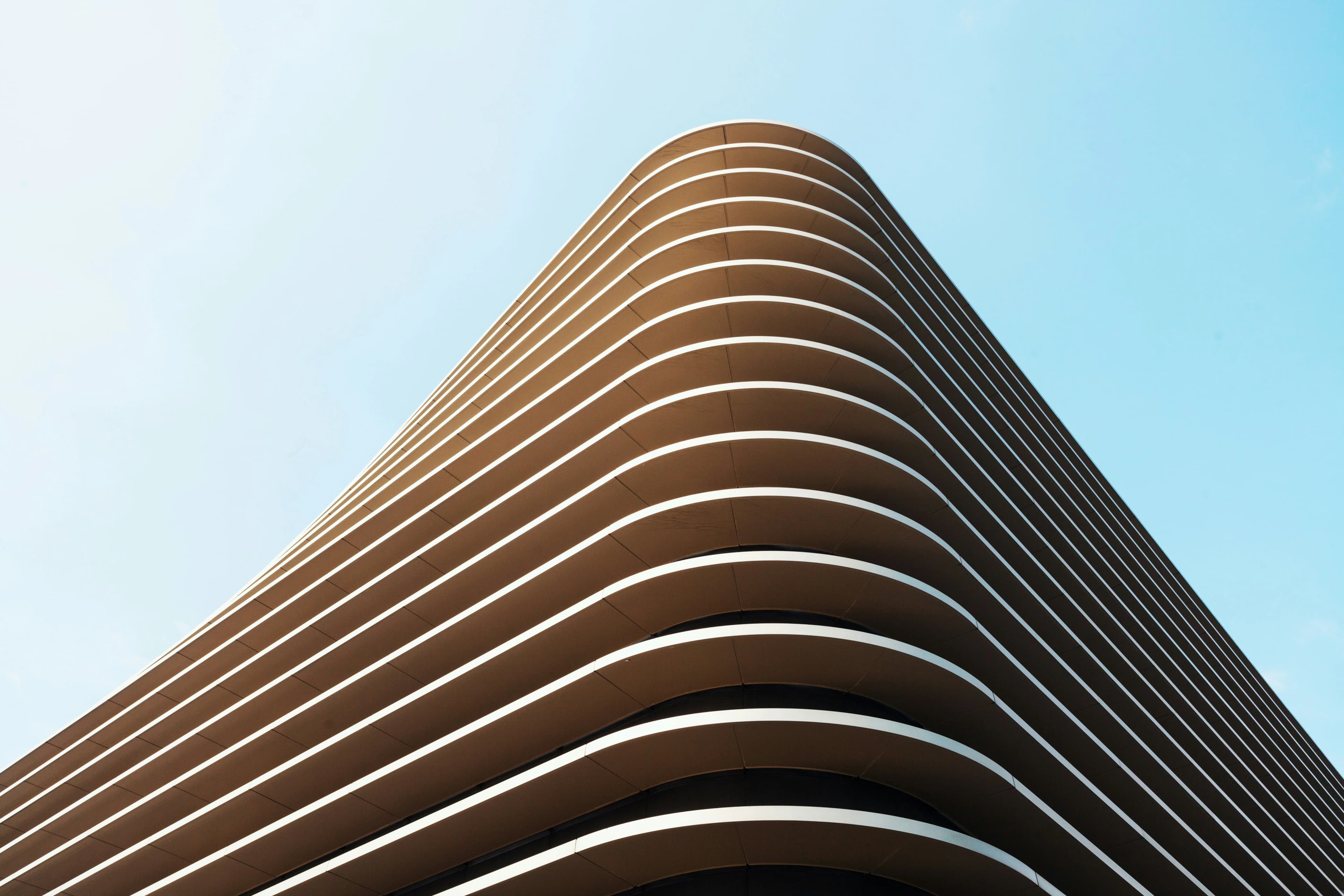
Architect vs Decorator: Who Truly Structures Your Suite's Space?
BY Jules Peulet

The era when luxury hospitality was measured by the thickness of velvet curtains, the number of pillows on the bed, or the abundance of gilt is officially over. Today, elite travelers have developed unprecedented visual and sensory acuity. What the discerning client seeks is no longer mere decor, but space engineering. They want to inhabit a place that transforms their psychological state the moment they cross its threshold.
Yet a major confusion persists in the luxury travel industry: the distinction between decoration and interior architecture. While these two disciplines work together to create a room's aesthetics, they operate on fundamentally different layers of reality. A decorator dresses an existing space, while an interior architect sculpts it.
To never again pay a premium rate for a simply "pretty" but uncomfortable suite, dive into this clinical analysis. Discover who truly pulls the strings of your comfort and learn to identify suites that possess genuine structural soul.
I. The Decorative Approach: The Art of Skin and Atmosphere
To understand the stakes properly, we must define the scope of action for decoration. The decorator is the master of the skin. Their work is of paramount importance in defining the immediate atmosphere, the visual "mood" and the warmth of a space.
The Decorator's Role
When a hotel calls upon a decorator, their mission consists of elevating a pre-existing "box". Their tools are colors, textiles, furniture and objects of art. They will select a refined color palette, choose thick silks for the windows, find the perfect sofa covered in bouclé fabric, and hunt for vintage lighting fixtures. The decorator creates a visual narrative. It is thanks to them that a bedroom takes on the airs of a romantic boudoir or an industrial loft.
The Limits of Cosmetics
The major problem arises when the original "box" (walls, ceilings, windows) is poorly conceived. The decorator neither has the mandate, nor often the technical skills, to demolish a load-bearing wall, enlarge a window to capture southern light, or rethink the flow between the entrance door and the bathroom. If the bedroom's proportions are oppressive or if the circulation is illogical, the most beautiful wallpaper in the world cannot mask this physical unease.
The Catalogue Syndrome
In many so-called "boutique" hotels, this superficial approach gives rise to "catalogue syndrome". You enter a suite that is visually saturated, perfect for an Instagram photograph, but fundamentally uncomfortable. The designer sofa hurts your back, the spectacular lighting dazzles but doesn't allow you to read, and the space seems to be nothing more than an accumulation of objects without true spatial coherence.
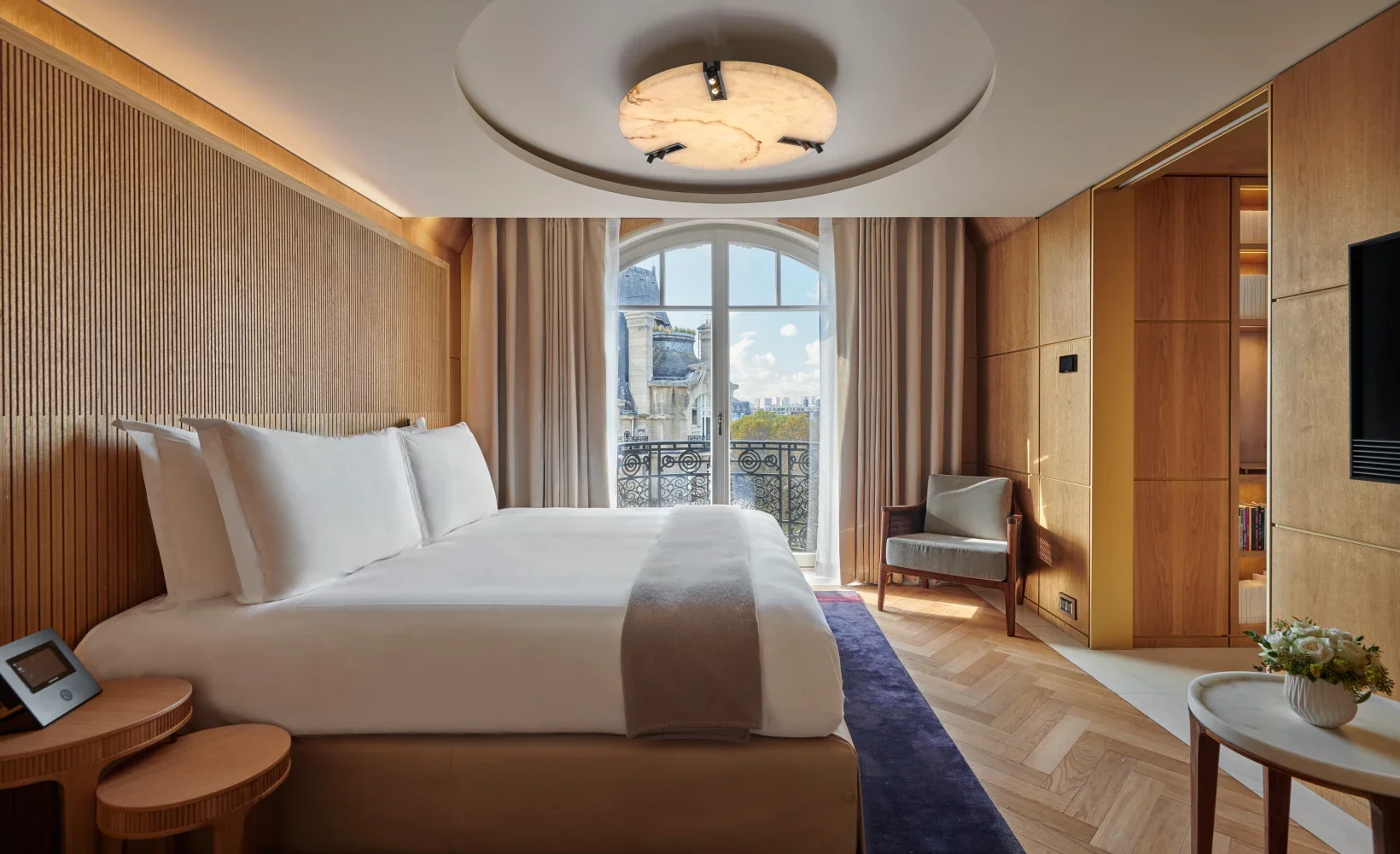
II. Architectural Authority: The Mastery of Volume and Void
This is where the interior architect enters the scene. Unlike the decorator, the interior architect does not begin by choosing furniture; they begin by deconstructing the void. They work on the skeleton of the building, the circulation of bodies and invisible engineering.
Deconstructing the Box
When an interior architect takes on a suite, their first gesture is often destructive. They question the layout inherited from the past. They will rethink the enfilades, streamline circulation by eliminating narrow and unnecessary corridors, and redefine proportions. If a bathroom deserves to be integrated into the heart of the bedroom as a monolithic block, the architect will order the destruction of walls to create this new spatial truth.
The Invisible Engineering of Comfort
Architectural authority is felt above all in what remains unseen. It is the architect who integrates acoustic insulation panels into the walls to guarantee absolute silence. It is he who conceals air conditioning grilles to avoid unpleasant air flows across the bed. He also orchestrates home automation so that technology fades behind comfort. In an architecturally designed suite, your heart rate naturally drops because the space generates no friction.
The Scenography of Light
The architect does not simply place lamps. He sculpts natural light. He will widen bay windows, create hollow joints in the ceiling to hide indirect lighting that reproduces twilight, or imagine perforated partitions that let sunlight filter through without sacrificing privacy. Light becomes a building material in its own right.
Eager to discover this perfect mastery of light and proportions?
Immerse yourself in Mediterranean simplicity and book a suite at the Réserve Ramatuelle.
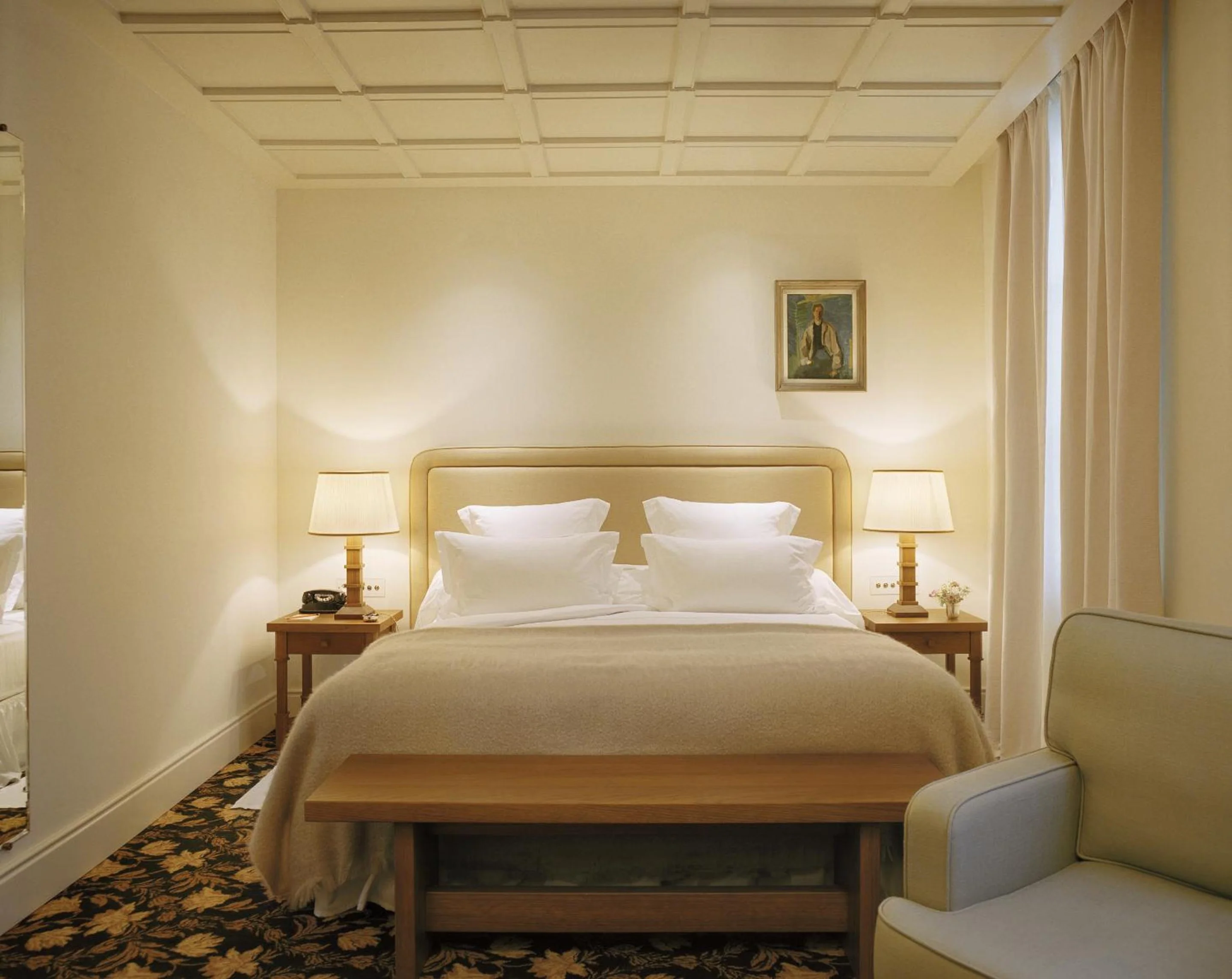
III. The Ultimate Frontier: When the Architect Becomes Interior Designer
In the ultra-luxury hospitality world that we curate at La Suite, boundaries fade to achieve perfection. The world's greatest suites today are designed by "architect-interior designers".
These exceptional creators (like the great masters of the twentieth century) refuse to separate content from container. They tear down walls, rethink plumbing, but they also design custom furniture so it fits precisely into the new geometry of the space. The bed is no longer a piece of furniture placed in the center of the room, it is an architectural platform extended by bedside tables integrated into the wall paneling. The dressing room disappears to become a carpentry element that forms one body with the hallway.
This total synergy ensures that no object will ever hinder the purity of the architectural line. This is the quintessence of luxury: a space where architecture and decoration are one.
Experience the art of total integration. Succumb to Parisian elegance and book the Presidential Suite at Lutetia.
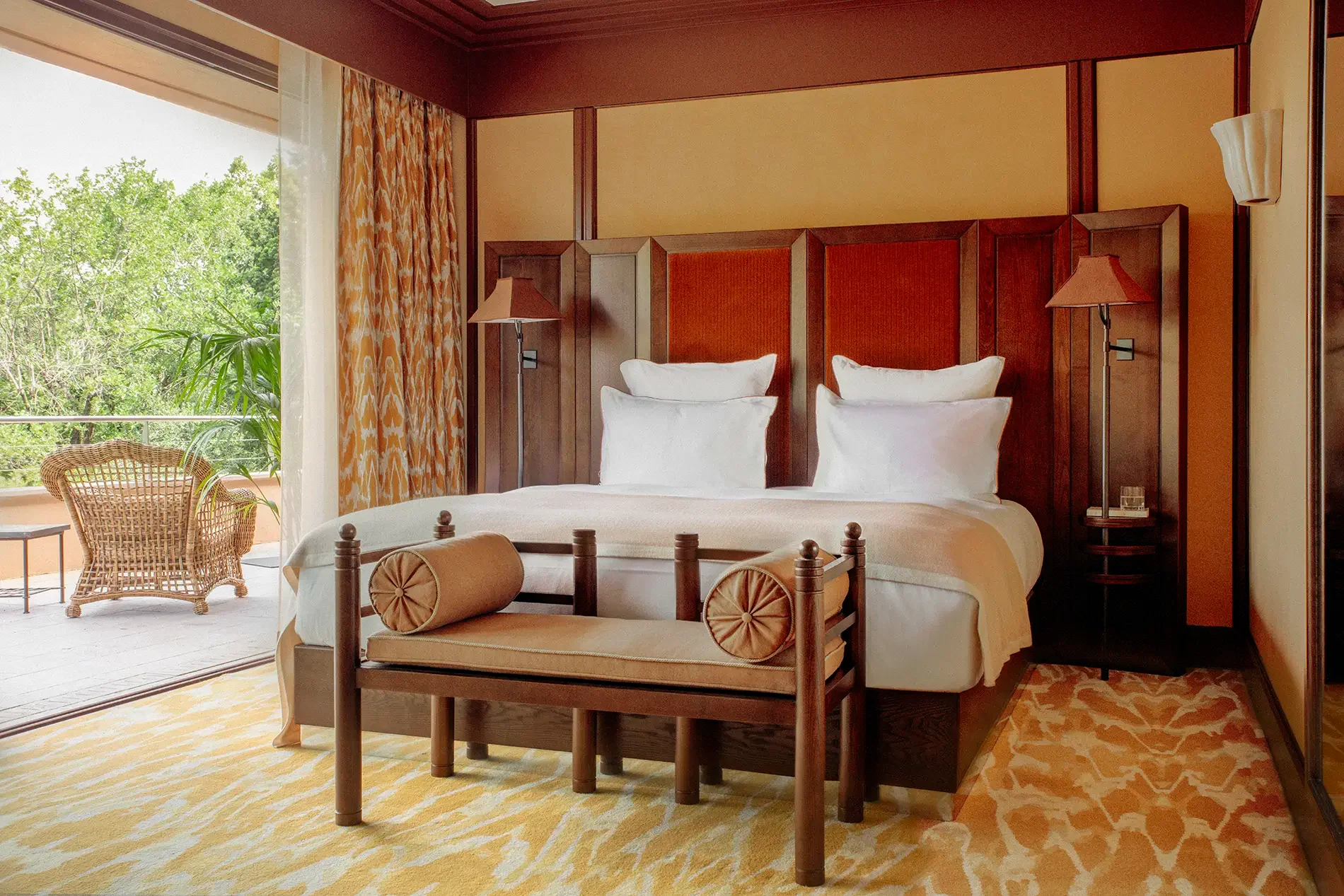
IV. The "La Suite" Diagnosis: 3 Signs You Are in an Architecturally Designed Suite
How, as a traveler, can you tell whether your hotel investment is based on genuine spatial engineering or merely a fresh coat of paint? Here is La Suite's clinical reading grid.
Intuitive Ergonomics: Close your eyes and walk. In a space designed by an architect, everything falls into place with relentless logic. Light switches are exactly where you expect them, storage space for your luggage doesn't block circulation, and you never have to navigate around a poorly placed armchair to reach the bathroom.
Structural Silence: Clap your hands or listen to city noise. A suite redesigned by an architect benefits from substantial acoustic treatment (double partitions, floating floors). The absence of interior echo and silence against urban tumult prove that the very structure of the room has been reworked.
Material Coherence: Observe the transitions. A decorator will often layer finishes. An architect will orchestrate materials in dialogue. The stone flooring in the bathroom will align perfectly, without an ungainly threshold strip, with the solid wood parquet in the bedroom. Baseboards will be flush, and doors will integrate seamlessly into the walls.
V. Curation: Our Reference Architects
To deepen your understanding of these masters of space and book locations where architecture triumphs over artifice, we invite you to explore our detailed clinical reviews.
For those seeking absolute calm, a refusal of standard hotel codes, and the triumph of raw materials, dive into our analysis of Festen Architecture: Masters of Residential Elegance and Quiet Luxury.
Experience warm minimalism. Slip into the intimacy of a confidential hideaway and book the Voltaire Suite at Château Voltaire.
If you travel for inspiration, visual stimulation, and pure emotion, discover how architecture can become a vibrant cinematic setting by reading our portrait of Hugo Toro: The Architect of Cinematic Maximalism and Hotel Emotion.
Immerse yourself in the glamorous aesthetic of the Riviera. Let yourself be seduced by boldness and book the Signature Suite at Mas Candille.
For heritage purists, those who demand that historical nobility be treated with ruthless contemporary rigor, do not miss our study on Jean-Michel Wilmotte: the architect who reinvents hotel heritage.
Finally, to gain a comprehensive view of the geniuses who transform your nights into inhabitable works of art, explore our central manifesto: The new architects of luxury: the minds shaping the world's most beautiful suites.
VI. Frequently Asked Questions (FAQ)
1. What is the legal and technical difference between an interior architect and a decorator?
In strict terms, the interior architect possesses substantial technical training that authorizes them to modify the internal structure of a building (removing partitions, reconsidering plumbing and electrical networks, modifying volumes). The decorator, on the other hand, only intervenes on surface arrangements (colors, furniture, fabrics) without touching the skeleton of the space.
2. Why do ultra-luxury hotels today favor interior architects?
Elite clientele are no longer impressed by simple designer furniture. They seek absolute comfort that comes through ergonomics, invisible home automation, perfect soundproofing, and fluid circulation. Only heavy architectural intervention can guarantee this comfort engineering long-term, thus justifying premium rates.
3. Can one have a sublime suite without architectural intervention?
Yes, a suite can be visually sublime thanks to a talented decorator. However, in practice, structural flaws (cramped space around the bed, aggressive lighting, or noise from the hallway) will inevitably tarnish the stay experience. Beauty is no longer enough; the space must be functional.
4. What is an "architect-ensemblier" in hotel industry jargon?
This is the ultimate status in hotel design. The architect-designer not only conceives the volumes and structure of the suite, but also custom-designs all the furniture (sofas, lighting fixtures, dressing rooms, door handles). This makes it possible to create spaces of total coherence, where no element appears to have been "added" afterwards.
5. How can I ensure that the suite I'm booking has been properly designed structurally?
This is precisely the mission of La Suite. Before recommending a hotel to you, we don't just analyze photos of the décor. We evaluate sound engineering, the intelligence of circulation flows and the nobility of raw materials. By booking through our recommendations, you ensure that you inhabit a space truly sculpted for your psychological and physical comfort.
More from the Journal

Perth and Broome, Mapping Coastal Luxury in the West
Australia's western coast remains a discreet territory for luxury hospitality. Between the mineral verticality of Perth and the colonial elegance of Broome, four exceptional addresses reveal how contemporary architecture dialogues with raw materials, the harsh desert light, and the infinite horizons of the Indian Ocean.
BY Jules Peulet

New Zealand / Design & Architecture: suites where architecture dialogues with landscape
In New Zealand, hotel architecture reinvents itself through a radical vision: the suite becomes an instrument for observing the great southern landscape. From raw wood to mineral facades, discover how four exemplary establishments create a dialogue between interior space and the volcanoes, lakes and mountains of the South Island.
BY Jules Peulet

Megève / Design & Architecture: Wood and Stone as the Signature of Luxury Suites
In Megève, four prestigious establishments redefine the language of the contemporary chalet by making raw materials their signature. Larch, local stone and refined linen become the protagonists of an architecture where each texture tells the story of the mountain.
BY Jules Peulet