Where to stay in England for a luxury suite experience
London and the Home Counties
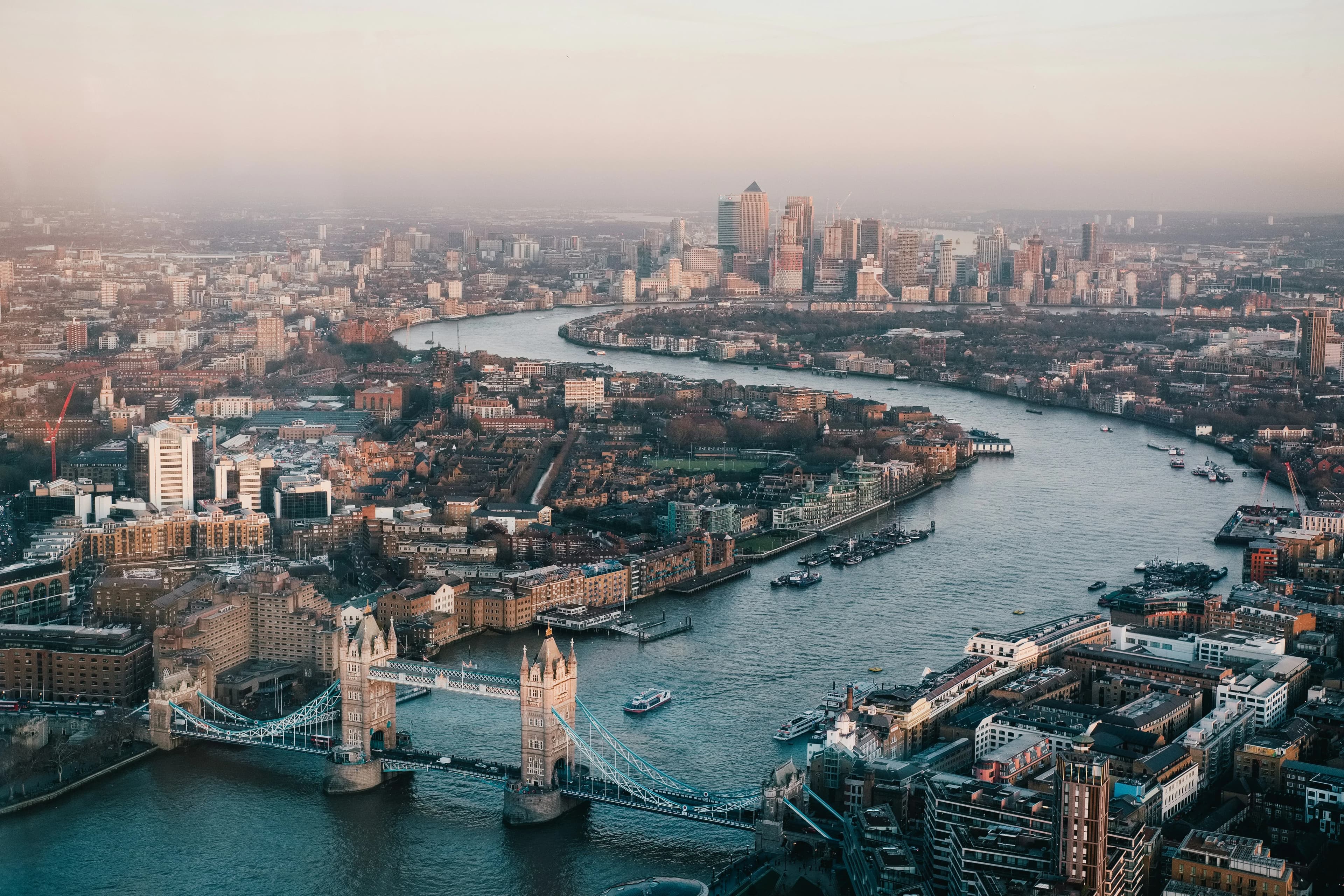
London remains the reference point for English luxury hospitality. The capital concentrates a high density of prestigious properties, particularly in Mayfair, Belgravia, and Knightsbridge, where suites occupy the upper floors of buildings that have served as private residences, embassies, and gentlemen's clubs. Beyond the city boundary, the Home Counties, Oxfordshire, and Berkshire offer estates and manor hotels within an hour's drive, calibrated to a quieter, more considered pace.
The Cotswolds
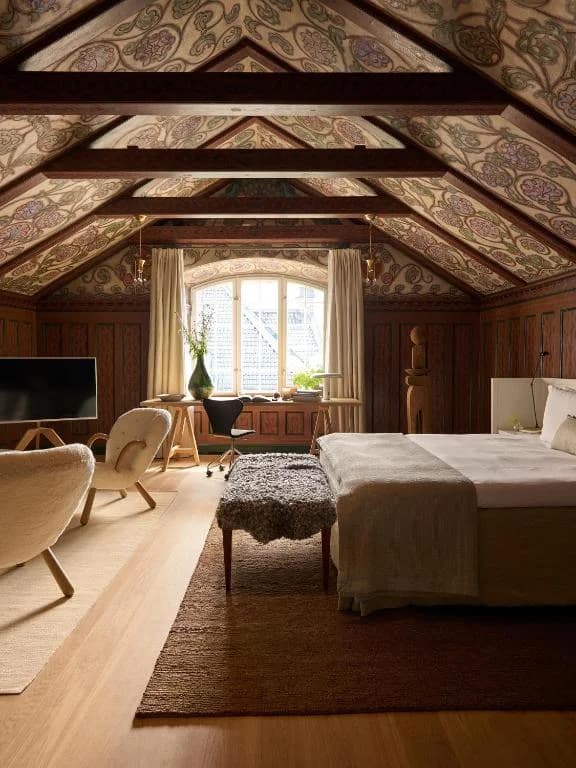
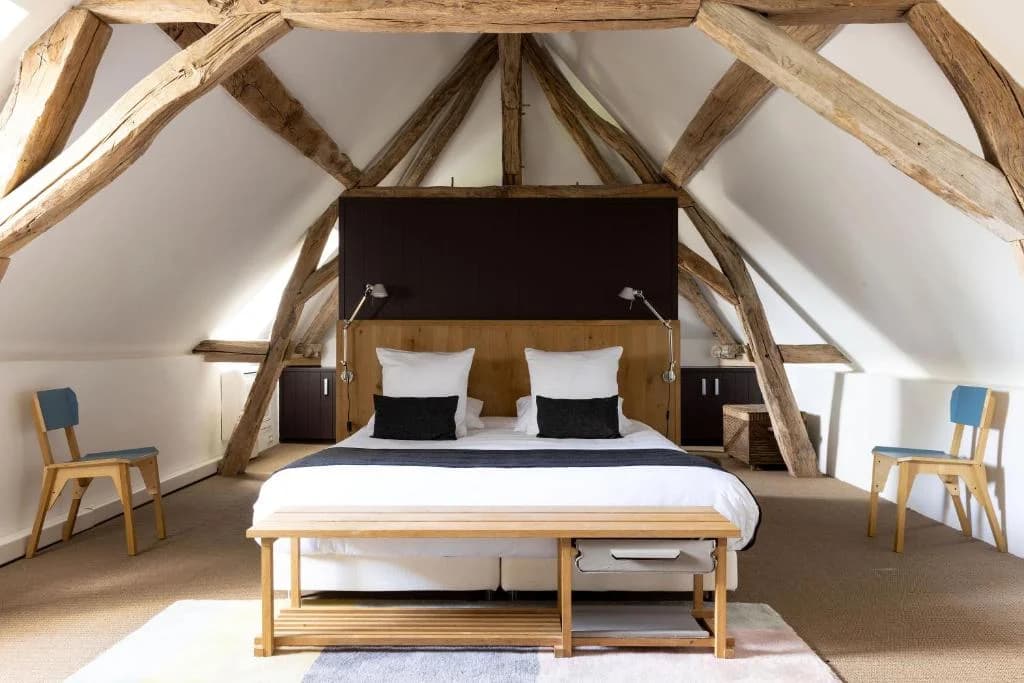
The Cotswolds represents England's most coherent rural luxury corridor. The region's honey-coloured limestone villages, protected by designation, frame a network of boutique hotels and country house conversions. Suites here are typically characterised by exposed beams, deep sash windows, and a deliberate absence of urban interference. The area attracts a design-literate clientele that values material authenticity over maximalist decoration.
The Lake District and the North
England's northern territories offer a different proposition: raw landscape, open moorland, and a slower social rhythm. The Lake District, a UNESCO World Heritage Site, hosts a collection of hotels that negotiate the tension between natural austerity and interior comfort with considerable skill. The North Yorkshire Moors and the Yorkshire Dales extend that logic further, with properties that prioritise fireplaces, local stone, and direct access to working countryside.
The West Country and coastal England
Cornwall, Devon, and the broader South West have evolved from seasonal tourist destinations into year-round luxury circuits. Cliff-top properties and converted sea captains' houses now house some of England's most architecturally distinctive suites. The light quality along the Cornish coast, combined with proximity to serious contemporary art (the Tate St Ives is a consistent reference point for the area's cultural identity), gives this region a character that holds beyond summer.
When to visit England for a luxury hotel stay
England does not have a single optimal season. Each quarter offers a different set of conditions and a different social calendar worth planning around.
Late spring, specifically May and June, is arguably the most reliable period. The light extends late into the evening, the countryside is at full density, and major cultural events including the Chelsea Flower Show and Glyndebourne Festival bring a particular kind of traveller into circulation. Country house hotels during this window operate at peak form.
Summer, from July through August, remains the most popular period for international visitors. Availability contracts sharply, particularly in the Cotswolds and Cornwall. Advance planning is essential for the finest suites during this window.
Autumn, from September through November, is underrated. The landscape shifts into a copper and amber register. The cultural calendar in London accelerates with the reopening of the major gallery and theatre seasons, and room rates tend to ease slightly from summer peaks.
Winter offers a specific quality of English luxury: open fires, game on the menu, and an almost theatrical stillness in the countryside. Christmas and New Year periods at English country houses are booked many months in advance by returning guests.
Understanding English luxury standards in hotels
England does not operate with a direct equivalent of France's official Palace designation, though the AA (Automobile Association) five-red-star classification and membership of organisations such as Relais and Chateaux function as credible proxies for the highest tier of hospitality.
The country house hotel is England's signature luxury format. These are properties that began as private aristocratic or landed-gentry estates and have been converted, often across multiple generations of investment, into hotels that retain the proportions and material quality of their domestic origins. Suites in these buildings tend to be genuinely large, often incorporating sitting rooms, dressing rooms, and direct access to private gardens or terraces.
London's five-star luxury hotels occupy a different register: they are urban institutions with formal service traditions, often drawing on decades or centuries of accumulated reputation. Suites at this level are calibrated for business travellers, visiting heads of state, and international clientele who expect precision alongside comfort.
A growing number of English properties also operate within a newer contemporary luxury model, where design is foregrounded over heritage. These hotels tend to commission serious architectural and interior work, and their suites reflect current sensibilities around materiality, light, and spatial proportion.
How to choose the best suite in England
The most important variable when selecting a suite in England is architectural context. A suite in a Georgian townhouse in London delivers a fundamentally different experience from a suite in a converted Elizabethan manor in the Cotswolds or a cliff-edge property in Cornwall. Clarity about which context aligns with your itinerary is the starting point.
Consider the seasonal specificity of certain destinations. A coastal suite in Cornwall is optimised for late spring and early autumn when the light and temperature are at their best. A country house in the Lake District is equally compelling in February as in August, provided you are prepared for weather that changes without notice.
Space is a reliable differentiator in England. The country's most distinguished suites tend to occupy original principal rooms, with ceiling heights, window proportions, and spatial flow that cannot be replicated in purpose-built hotel blocks. Asking specifically about the architectural history of the room you are considering is a reasonable and productive question.
Access to private outdoor space, whether a walled garden, a private terrace, or direct countryside access, elevates many English luxury suites into a distinct category. This is particularly relevant for multi-night stays where the ability to move freely between interior and exterior space on your own terms changes the quality of the experience.
Why use La Suite's curated selection for England
England's luxury hotel market is large, highly fragmented, and inconsistent in quality even within the five-star tier. The gap between a genuinely exceptional suite and a well-marketed but unremarkable room can be significant, and it is rarely apparent from standard booking platforms.
La Suite curates England's most considered luxury hotel suites with a specific focus on architectural integrity, spatial quality, and service calibration. The selection is deliberately narrow: only the properties that meet a consistent standard across all three dimensions are included. For travellers with limited time and high expectations, that compression of decision-making has direct practical value.
Whether the priority is a London suite positioned for cultural and institutional access, a countryside retreat in the Cotswolds, or a coastal property in the far South West, the curated selection by La Suite provides a precise starting point, removing ambiguity from a market that otherwise requires considerable expertise to navigate.