Where to stay in England: distinct areas for luxury suite travel
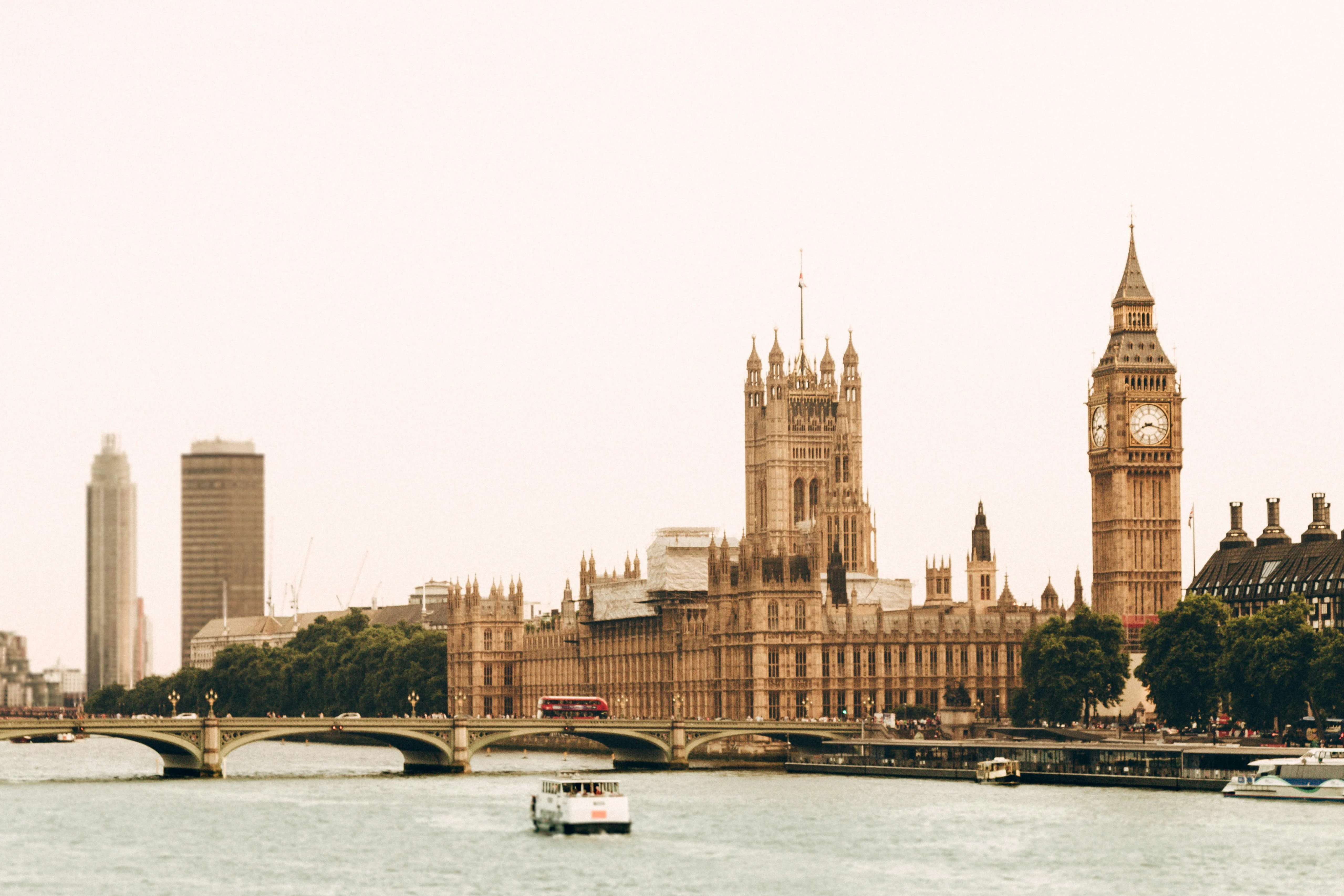
The capital concentrates the highest density of five-star hotels in England. The most established luxury corridors run through Mayfair, Knightsbridge, and Belgravia, where Georgian and Victorian facades contain suites of considerable scale. Kensington and Chelsea offer a quieter residential register. Marylebone and Covent Garden attract a more design-forward clientele. Each district has its own tempo, and the suite you select should reflect how you intend to move through the city.
The Cotswolds operates as England's premier rural luxury destination. Properties here tend to occupy converted farmhouses, manor houses, and mill buildings in villages of oolitic limestone. The aesthetic is restrained and agricultural in origin, refined in execution. Guests come for the walking, the antique trade, and the particular quality of light on open countryside.
Cornwall's luxury hospitality is defined by its coastal position. Suites here are oriented toward Atlantic light, cliff-edge gardens, and the proximity of working fishing harbours. The county has a strong food culture built around seafood, and several properties have invested significantly in spa and wellness facilities. It functions as England's answer to a coastal retreat without leaving the country.
Yorkshire delivers a more rugged register. Country house hotels in the Dales and North York Moors occupy estates with long histories, some dating to the medieval period. The suites tend toward generous proportions, open fireplaces, and views across moorland. The county also contains several spa hotels built around natural thermal springs and restorative landscape settings.
England's only mountainous national park supports a small number of high-calibre properties. Suite experiences here are anchored by the landscape: fell views, lake reflections, and the silence that comes from genuine remoteness. Several properties maintain private jetties and offer direct access to the water.
Other counties of note
Sussex and Kent contain some of the most architecturally significant country house hotels in England, within accessible distance of London. Oxfordshire and Berkshire draw a clientele connected to academic, equestrian, and financial circuits. Devon, Dorset, and Somerset form the West Country arc, where the luxury offer is quieter but increasingly refined.
When to visit England for a luxury suite stay
England's hospitality calendar is structured around a series of events that influence both availability and pricing at the top end of the market.
Late spring, specifically May and early June, offers the most favourable balance of weather and availability. The Chelsea Flower Show in late May draws significant demand in London, and country house properties fill rapidly across the South East. June through to early September represents peak season across coastal and rural destinations. The Royal Ascot race meeting in June, Glorious Goodwood in July and August, and the Henley Royal Regatta in July all concentrate demand in specific counties.
September and October are increasingly considered the optimal months for discerning travelers. Crowds reduce, countryside properties become easier to secure, and the light in the Cotswolds and on the Northern moors takes on a particular quality. London remains consistent across the year, with December generating strong demand around the cultural calendar and the retail season.
Winter at country house hotels in England carries its own logic. Properties with good fireplaces, serious kitchens, and spa facilities operate well through November to February. Availability is at its most generous in this period, and several properties offer extended-stay incentives.
Understanding England's luxury hotel standards
England does not use the French Palace classification. The closest equivalent markers of prestige are AA Rosettes for restaurants, membership in groups such as Relais and Chateaux or Small Luxury Hotels of the World, and the five-red-star rating awarded by the AA to a small number of properties.
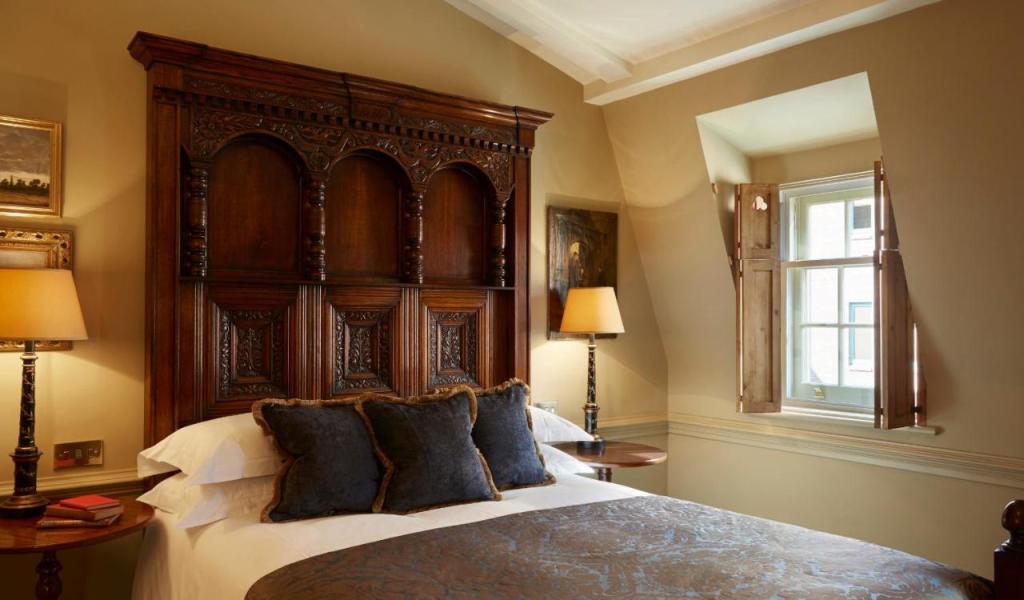
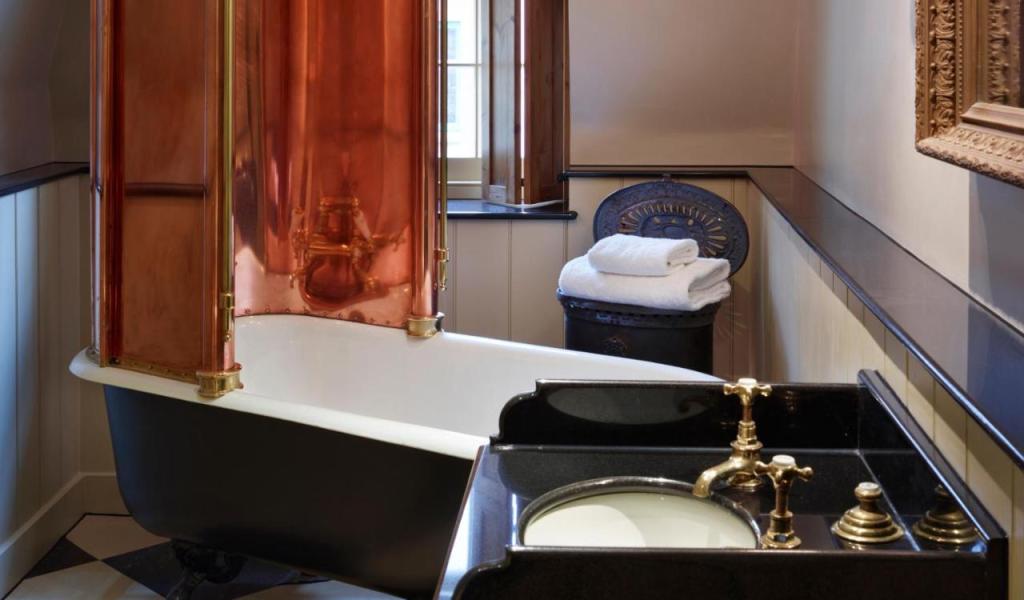
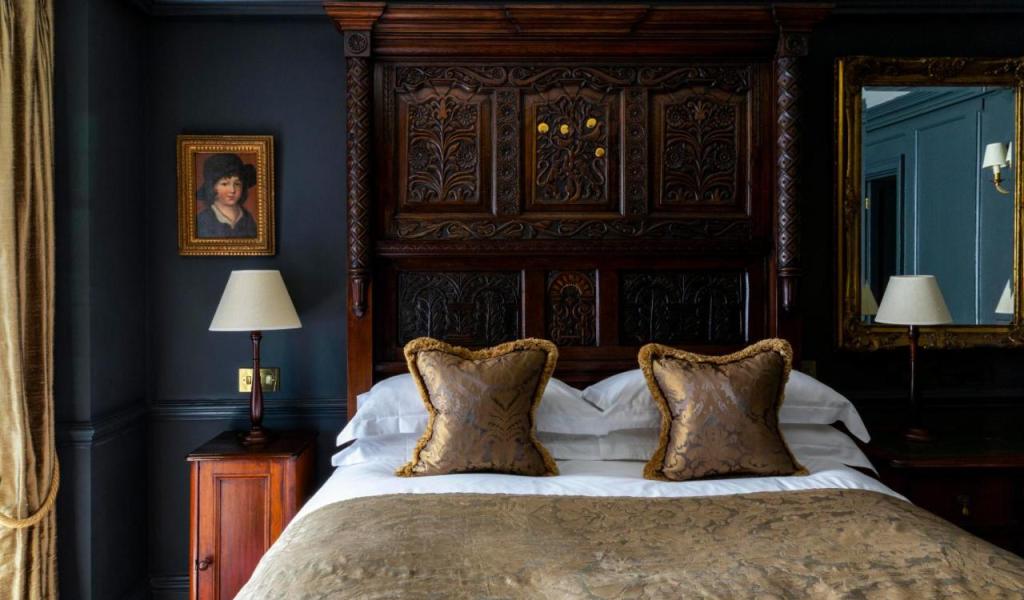
The country house hotel is England's most distinctive contribution to luxury hospitality. These properties typically occupy privately owned estates and operate with a level of personalisation that larger urban hotels cannot replicate. Staff-to-guest ratios are often high. Menus reflect the kitchen garden and the season. Public rooms are furnished with antiques, and suites frequently contain working fireplaces, freestanding baths, and views that have remained largely unchanged for centuries.
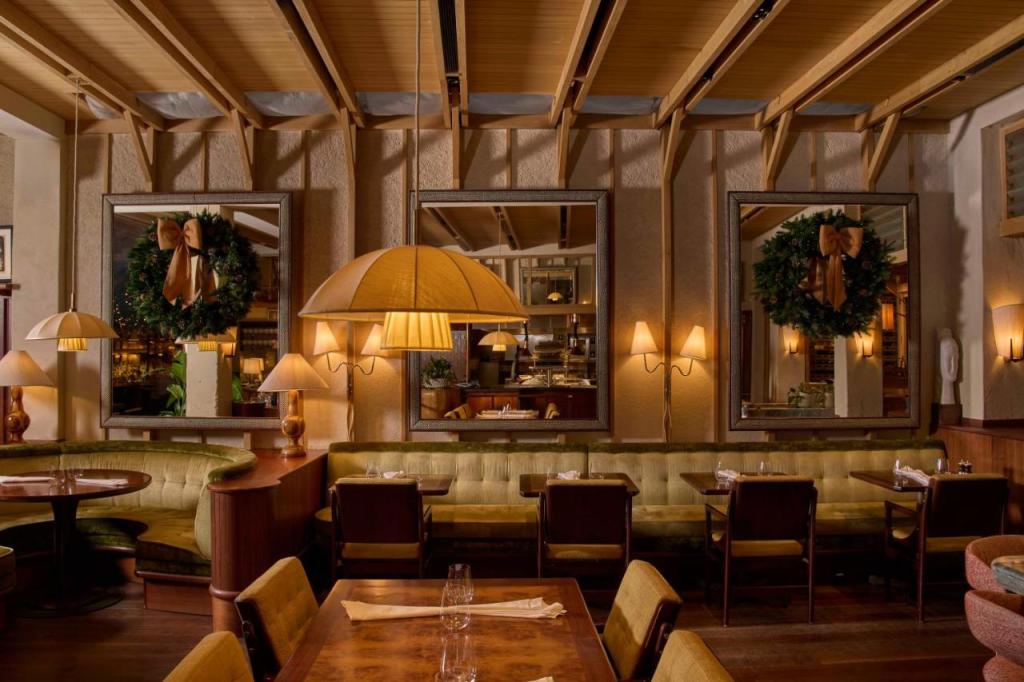
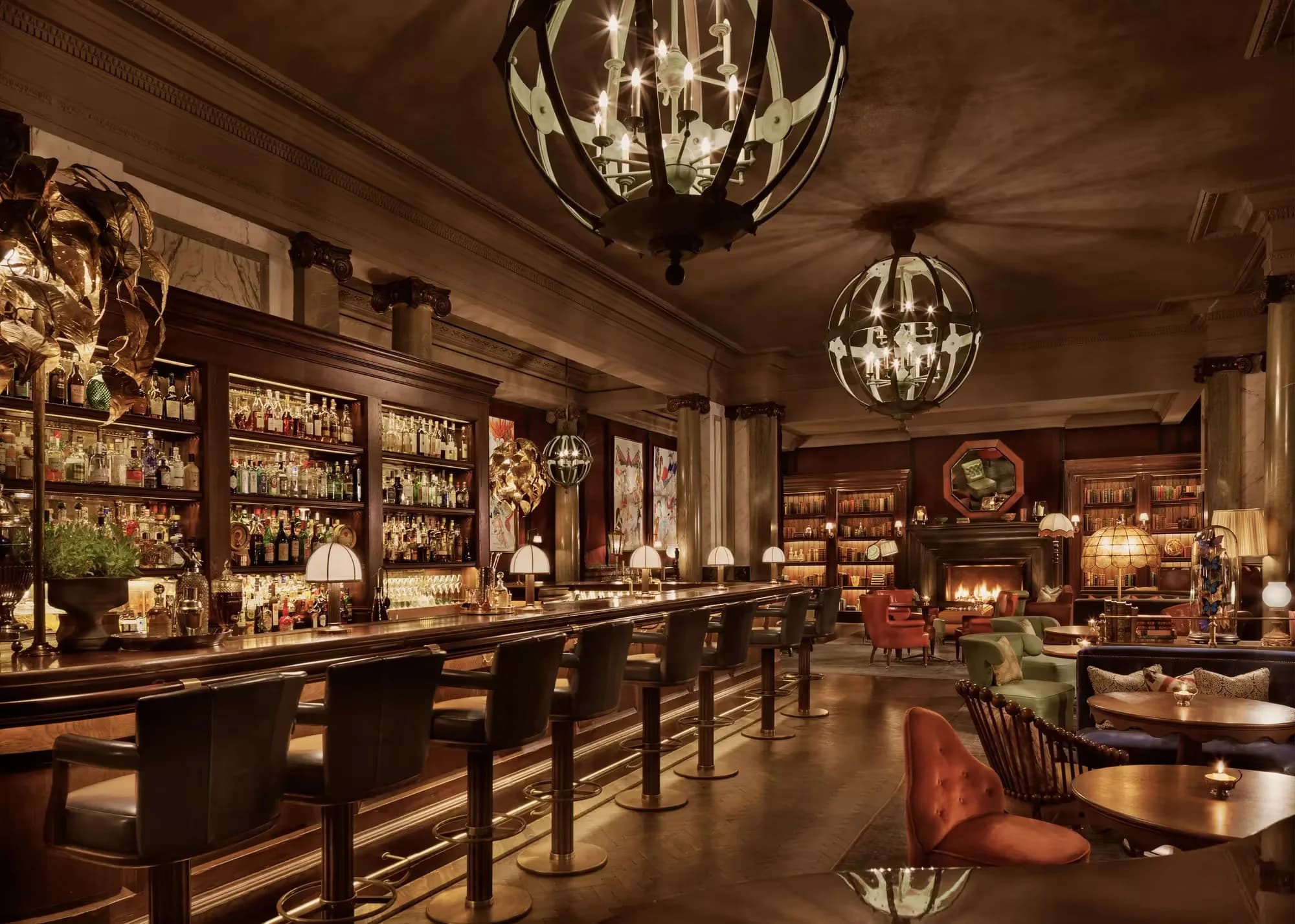
In London, the reference category is the five-star hotel with a named suite programme, where signature suites are designed by known figures and priced accordingly. These properties compete on service precision, address, and the quality of their private dining offer.
Across both categories, the luxury hotel suite in England is defined by space and specificity. The best suites are not generic. They carry a point of view: architectural, historical, or design-led. That specificity is what La Suite selects for.
How to choose the right suite in England
The primary consideration is the relationship between architecture and experience. A Georgian manor in Gloucestershire and a contemporary tower in London's West End serve entirely different purposes. Before selecting a property, the traveler should define what the stay is for: restoration, access to a specific event, cultural immersion, or deliberate disconnection.
For rural stays, the question of connectivity matters. Some properties in the Lake District or on the North Yorkshire Moors are genuinely remote. That remoteness is the point for some travelers and a liability for others. Check road access, proximity to the nearest rail connection, and whether the property provides transfer services.
Seasonality affects suite character. A suite with large north-facing windows that reads beautifully in summer photography may be cold and dark in November. Conversely, a suite with a wood-burning stove and heavy curtains is at its best in winter. Ask about the suite's orientation before committing.
For London, the neighbourhood defines the experience as much as the property itself. A suite in Soho and a suite in Belgravia are not interchangeable. Consider the itinerary first, then select the address that places you closest to how you intend to spend your time.
The value of curated selection across England's luxury hotel market
England's luxury hotel market is large, fragmented, and inconsistently documented. The country contains hundreds of properties that describe themselves as luxury. The number that genuinely deliver at the suite level, across space, service, and design, is considerably smaller.
La Suite focuses exclusively on that smaller number. For a territory as geographically and architecturally diverse as England, curation is not an editorial exercise. It is a practical filter. The La Suite selection covers the full breadth of England's luxury hotel landscape, from London's most precisely run five-star addresses to isolated country estates in Northumberland and Cumberland, and applies a consistent standard of assessment to each.
For travelers approaching England through La Suite, the curated selection by La Suite removes the noise. What remains is a set of properties where the luxury hotel suite is the primary offer, not an afterthought. Explore the full United Kingdom selection for broader regional context, or move directly into county-level searches to identify the right property for your specific itinerary.